

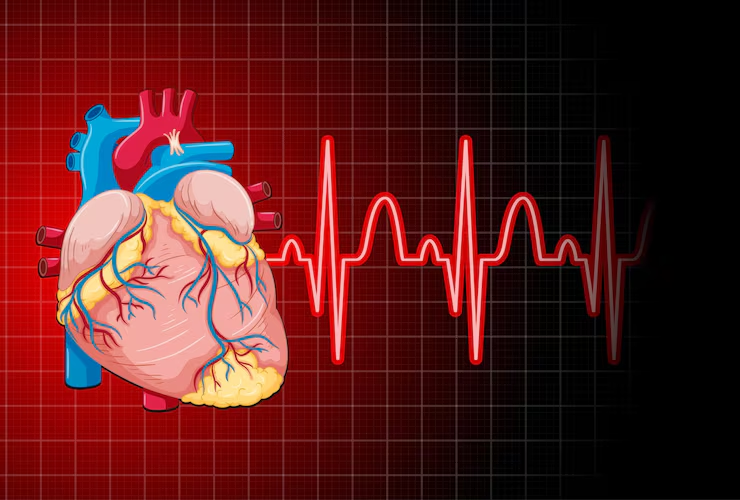
Arrhythmia refers to any abnormality in the heart’s rhythm, where the heartbeat may become too fast, too slow, or irregular. The heart relies on a precise electrical system to maintain a steady and efficient rhythm, ensuring proper blood flow to the body. When this electrical signaling is disrupted, it can lead to arrhythmias that range from harmless to potentially life-threatening. While some individuals may experience occasional irregular heartbeats without serious consequences, others may require timely medical evaluation and treatment to prevent complications.
Arrhythmias can arise from a variety of underlying factors that affect the heart’s electrical conduction system. Common causes include coronary artery disease, high blood pressure, previous heart attacks, and structural abnormalities of the heart. Electrolyte imbalances, thyroid disorders, and certain medications can also disrupt normal heart rhythms. Lifestyle factors such as excessive caffeine intake, smoking, alcohol consumption, and chronic stress may contribute to the development or worsening of arrhythmias. In some cases, arrhythmias may occur without a clearly identifiable cause, particularly in otherwise healthy individuals.
The symptoms of arrhythmia can vary widely depending on the type and severity of the condition. Some patients may remain completely asymptomatic, while others may notice palpitations, described as a fluttering, racing, or pounding sensation in the chest. Additional symptoms can include dizziness, lightheadedness, shortness of breath, fatigue, or chest discomfort. In more severe cases, arrhythmias may lead to fainting (syncope) or even sudden cardiac arrest. Because symptoms can be subtle or intermittent, it is important not to ignore any unusual sensations related to the heartbeat.
Accurate diagnosis of arrhythmia involves a combination of clinical evaluation and advanced diagnostic testing. A detailed medical history and physical examination help identify potential risk factors and symptoms. Electrocardiography (ECG) is the primary tool used to detect abnormal heart rhythms. In cases where arrhythmias are intermittent, longer monitoring methods such as Holter monitoring or event recorders may be recommended. Additional tests, including echocardiography, stress testing, or electrophysiological studies, may be performed to assess heart structure and pinpoint the origin of the rhythm disturbance.
The treatment of arrhythmia is tailored to the specific type, cause, and severity of the condition. In mild cases, lifestyle modifications and regular monitoring may be sufficient. Medications are often prescribed to control heart rate, restore normal rhythm, or prevent complications such as blood clots. For more persistent or complex arrhythmias, advanced procedures such as catheter ablation may be recommended to target and eliminate abnormal electrical pathways. In certain patients, implantable devices such as pacemakers or defibrillators may be required to regulate the heart rhythm and provide long-term protection.
After treatment, ongoing care plays a crucial role in maintaining heart health and preventing recurrence. Patients are advised to adhere strictly to prescribed medications and attend regular follow-up appointments for monitoring. Lifestyle adjustments, including a heart-healthy diet, regular physical activity, stress management, and avoidance of triggers such as excessive caffeine or alcohol, are essential. Continuous monitoring, especially in patients with implanted devices, ensures optimal functioning and early detection of any abnormalities.
If left untreated, certain types of arrhythmias can lead to serious complications. These may include stroke, particularly in conditions like atrial fibrillation, as well as heart failure due to inefficient pumping of the heart. Persistent arrhythmias can also increase the risk of sudden cardiac arrest. The severity of complications depends on the type of arrhythmia, underlying heart condition, and overall health of the patient. Early diagnosis and appropriate management significantly reduce these risks and improve long-term outcomes.
It is important to seek medical attention if you experience persistent palpitations, unexplained dizziness, fainting episodes, chest discomfort, or shortness of breath. Even occasional irregular heartbeats should not be ignored, especially in individuals with known heart conditions or risk factors such as hypertension or diabetes. Prompt evaluation by a cardiologist ensures early detection, accurate diagnosis, and timely treatment, helping to prevent complications and maintain optimal heart health.
WhatsApp us