

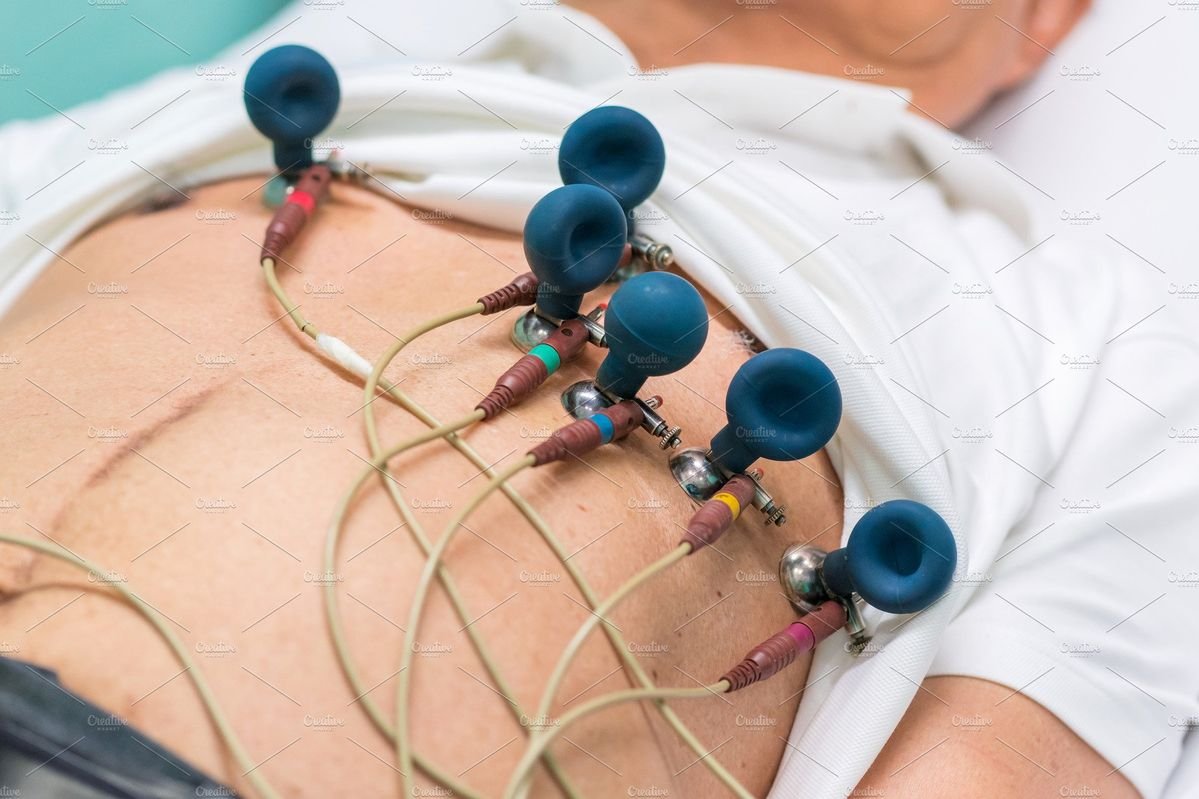
An Electrocardiogram (ECG) test is a simple, non-invasive diagnostic procedure used to evaluate the electrical activity of the heart. It records the timing and strength of electrical signals that control heartbeats, helping doctors understand how well the heart is functioning. An ECG test is commonly recommended during routine checkups, preventive screenings, or when a patient presents with symptoms suggestive of heart-related conditions. It is quick, painless, and provides valuable insights into heart rhythm and overall cardiac health.
An ECG test is typically advised when there is a need to assess potential heart abnormalities or monitor existing cardiac conditions. Common reasons include high blood pressure, irregular heart rhythms, chest pain, or a history of heart disease. It is also used as part of pre-operative evaluations and routine health screenings, especially for individuals with risk factors such as diabetes, smoking, obesity, or a family history of heart problems. In many cases, it serves as an initial step in identifying underlying cardiac concerns.
Patients are often referred for an ECG test when they experience symptoms that may indicate heart dysfunction. These include chest discomfort, palpitations, dizziness, fainting episodes, shortness of breath, or unexplained fatigue. Even mild or occasional symptoms can be significant, as they may reflect irregularities in heart rhythm or blood flow. An ECG helps in detecting these issues early, even when symptoms are intermittent.
During an ECG test, small electrode patches are placed on the chest, arms, and legs to capture the heart’s electrical signals. The recorded data is displayed as waveforms, which are carefully analyzed to identify abnormalities such as arrhythmias, signs of previous heart attacks, or structural issues. The test is usually completed within a few minutes and does not require any special preparation. Based on the findings, further investigations may be recommended if needed.
While an ECG test itself does not provide treatment, it plays a critical role in guiding medical decisions. The results help determine the appropriate course of action, which may include medications to regulate heart rhythm, manage blood pressure, or improve heart function. In some cases, further diagnostic tests or procedures may be advised to confirm the diagnosis and plan advanced treatment if necessary.
After undergoing an ECG test, patients can immediately return to their normal activities, as there is no recovery time required. If the test reveals any abnormalities, the doctor will provide guidance on follow-up care, lifestyle modifications, or additional tests. Adhering to medical advice and attending scheduled checkups ensures better management of heart health and prevents complications.
An ECG test is extremely safe and does not involve any significant risks or side effects. Since it only records electrical activity and does not emit electricity into the body, it is considered harmless for patients of all ages. In rare cases, mild skin irritation may occur at the electrode placement sites, but this is temporary and resolves quickly
It is advisable to undergo an ECG test if you experience symptoms such as chest pain, irregular heartbeat, dizziness, or breathlessness. Individuals with known risk factors for heart disease or those undergoing routine health evaluations should also consider this test as part of their cardiac assessment. Early evaluation through an ECG can help detect issues promptly and support timely medical intervention for better heart health.
WhatsApp us