
Vipanchi Heart Centre
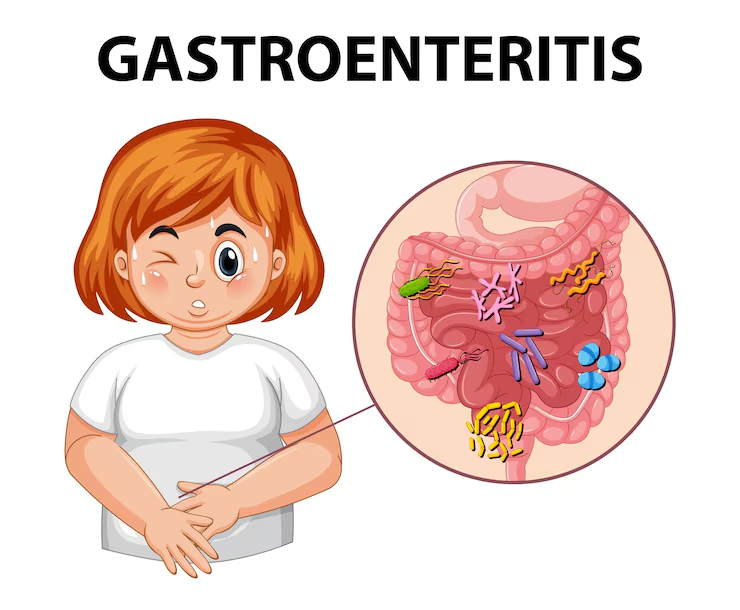
Gastroenteritis is a common condition characterized by inflammation of the stomach and intestines, often leading to symptoms such as diarrhea, vomiting, abdominal discomfort, and dehydration. Commonly referred to as a “stomach infection” or “stomach flu,” gastroenteritis can affect people of all ages and ranges from mild, self-limiting illness to severe conditions requiring medical attention. The condition is usually caused by viral, bacterial, or parasitic infections, although certain medications and food intolerances may also contribute. Prompt diagnosis and appropriate treatment are important to relieve symptoms, prevent dehydration, and support a quick recovery.
Gastroenteritis most commonly occurs due to infections that affect the digestive tract. Viral infections, including norovirus and rotavirus, are among the leading causes and can spread easily through contaminated food, water, surfaces, or close contact with infected individuals. Bacterial infections caused by organisms such as Salmonella, E. coli, and Campylobacter may result from consuming contaminated food or improperly handled meals. Parasitic infections can also contribute, particularly in areas with poor sanitation. In some cases, food allergies, food intolerances, certain medications, excessive alcohol consumption, or exposure to toxins may trigger inflammation of the gastrointestinal tract and produce symptoms similar to gastroenteritis.
The symptoms of gastroenteritis can develop suddenly and vary in severity depending on the underlying cause. Common signs include frequent loose or watery stools, nausea, vomiting, abdominal cramps, bloating, and loss of appetite. Many individuals may also experience fever, fatigue, headache, body aches, and general weakness. In more severe cases, dehydration can occur due to excessive fluid loss, resulting in symptoms such as dry mouth, dizziness, reduced urination, increased thirst, and weakness. Children, older adults, and individuals with weakened immune systems are particularly vulnerable to dehydration-related complications.
Diagnosis of gastroenteritis begins with a detailed medical history and physical examination. The doctor evaluates symptoms, recent dietary intake, travel history, exposure to infected individuals, and overall health status. In many mild cases, clinical evaluation alone is sufficient for diagnosis. However, if symptoms are severe, prolonged, recurrent, or accompanied by significant dehydration, laboratory tests may be recommended. Stool analysis can help identify bacterial, viral, or parasitic infections, while blood tests may be used to assess dehydration, electrolyte imbalances, and signs of infection. Accurate diagnosis helps determine the most effective treatment approach.
The treatment of diabetes and hypertension focuses on controlling blood sugar levels and blood pressure while reducing the risk of complications. Lifestyle modifications form the foundation of treatment and include maintaining a balanced diet, engaging in regular physical activity, achieving a healthy weight, limiting salt intake, avoiding tobacco use, and reducing alcohol consumption. Depending on the severity of the condition, medications may be prescribed to regulate blood glucose levels, improve insulin function, or control blood pressure. Regular monitoring and periodic adjustments to treatment plans help ensure optimal disease management and long-term health outcomes.
Recovery from gastroenteritis involves gradually returning to normal eating habits while maintaining proper hydration. Patients are advised to consume easily digestible foods and avoid heavy, spicy, oily, or highly processed meals until the digestive system has fully recovered. Continued fluid intake is essential to replenish any remaining losses and support overall well-being. Good hygiene practices, including proper handwashing and safe food handling, help prevent reinfection and reduce the spread of infectious organisms. Following the physician’s recommendations during the recovery period can promote faster healing and minimize the risk of recurrence.
Although many cases of gastroenteritis resolve without long-term effects, complications can occur if the condition is not properly managed. Dehydration remains the most common and potentially serious complication, particularly in infants, older adults, and individuals with chronic health conditions. Severe fluid and electrolyte imbalances may affect kidney function, blood pressure, and overall organ performance. Persistent infections can lead to prolonged digestive symptoms, nutritional deficiencies, and significant weakness. In rare cases, certain bacterial infections may cause more serious complications requiring specialized medical treatment.
Medical attention should be sought if symptoms are severe, persistent, or accompanied by warning signs such as high fever, blood in the stool, severe abdominal pain, continuous vomiting, or signs of dehydration. Individuals who are unable to keep fluids down, experience significant weakness, or show symptoms lasting more than a few days should consult a healthcare professional promptly. Children, elderly individuals, pregnant women, and patients with weakened immune systems should seek medical evaluation early, as they are at greater risk of complications. Timely diagnosis and treatment can help ensure a safe recovery and prevent serious health concerns.

MBBS, MD (General Medicine)
WhatsApp us