
Vipanchi Heart Centre
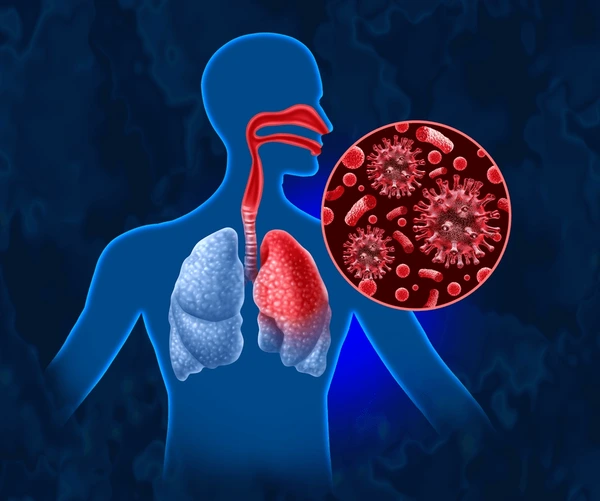
Respiratory infections and asthma are common conditions that affect the airways and lungs, often causing breathing difficulties and impacting daily life. Respiratory infections include illnesses such as the common cold, bronchitis, sinus infections, influenza, and pneumonia, which are typically caused by viruses, bacteria, or other microorganisms. Asthma is a chronic respiratory condition characterized by inflammation and narrowing of the airways, leading to recurring episodes of wheezing, coughing, chest tightness, and shortness of breath. Both conditions can affect individuals of all ages and may range from mild to severe. Early diagnosis and appropriate medical care are essential to prevent complications and improve overall respiratory health.Fever is a temporary rise in body temperature that usually occurs as a natural response to an infection, inflammation, or other underlying medical condition. While a normal body temperature is around 98.6°F (37°C), a fever is generally considered when the temperature rises above 100.4°F (38°C). Fever itself is not a disease but a symptom indicating that the body’s immune system is actively fighting an illness. It can affect people of all ages and may range from mild and short-lived to persistent and severe, depending on the underlying cause. At Vipanchi Heart Centre, we provide comprehensive evaluation and treatment to identify the cause of fever and ensure timely recovery.
Respiratory infections are commonly caused by viral, bacterial, or fungal organisms that enter the respiratory tract and trigger inflammation. Factors such as weakened immunity, seasonal changes, exposure to infected individuals, smoking, air pollution, and chronic health conditions can increase the risk of developing respiratory infections. Asthma, on the other hand, develops due to a combination of genetic and environmental factors. Common triggers include allergens such as dust mites, pollen, pet dander, mold, air pollution, tobacco smoke, respiratory infections, physical exertion, and exposure to strong odors or chemical irritants. Understanding these triggers is important for effective management and prevention.
The symptoms of respiratory infections vary depending on the type and severity of the illness but commonly include cough, sore throat, nasal congestion, fever, fatigue, body aches, and difficulty breathing. In more severe infections, symptoms such as persistent high fever, chest pain, wheezing, and shortness of breath may occur. Asthma symptoms typically include recurrent wheezing, chronic coughing, chest tightness, and episodes of breathlessness, particularly during the night, early morning, or after exposure to triggers. Some individuals may experience worsening symptoms during exercise, weather changes, or respiratory infections.
Accurate diagnosis begins with a detailed medical history and physical examination. The physician evaluates symptoms, identifies possible triggers, and assesses the patient’s respiratory function. Diagnostic tests may include blood tests, chest X-rays, sputum analysis, allergy testing, and pulmonary function tests such as spirometry to measure lung capacity and airflow. In patients with recurrent respiratory symptoms, these investigations help distinguish between infections, asthma, and other respiratory disorders, allowing for a personalized treatment approach.
Treatment for respiratory infections depends on the underlying cause and severity of the condition. Viral infections are generally managed with supportive care, including adequate hydration, rest, fever management, and symptom relief. Bacterial infections may require antibiotic therapy when appropriate. Asthma treatment focuses on controlling airway inflammation and preventing flare-ups. This may include inhaled medications such as bronchodilators and corticosteroids, along with long-term asthma management plans tailored to the patient’s needs. Avoidance of known triggers, regular monitoring, and adherence to prescribed medications play a vital role in maintaining healthy lung function and reducing symptom frequency.
After treatment, ongoing care is important to support recovery and prevent recurrence. Patients recovering from respiratory infections should maintain adequate hydration, follow a nutritious diet, get sufficient rest, and complete any prescribed medication course. Individuals with asthma should continue their maintenance medications as directed, attend regular follow-up appointments, and monitor symptoms closely. Identifying and avoiding environmental triggers, practicing good respiratory hygiene, and maintaining overall health can significantly improve long-term respiratory outcomes.
If left untreated or poorly managed, respiratory infections can lead to complications such as pneumonia, chronic bronchitis, lung damage, or worsening of existing respiratory conditions. Severe infections may result in hospitalization, especially among children, older adults, and individuals with weakened immune systems. Uncontrolled asthma can cause frequent attacks, reduced lung function, sleep disturbances, and, in severe cases, life-threatening respiratory emergencies. Early medical intervention and consistent treatment are essential to minimize these risks and protect respiratory health.
Medical attention should be sought if respiratory symptoms persist, worsen, or interfere with normal daily activities. Individuals should consult a doctor if they experience high fever, severe cough, chest pain, difficulty breathing, persistent wheezing, or recurrent respiratory infections. Patients with asthma should seek prompt medical care if their symptoms are not adequately controlled by prescribed medications, if they require frequent use of rescue inhalers, or if they experience sudden worsening of breathing difficulties. Early evaluation and timely treatment can help prevent complications and ensure better long-term respiratory health.

MBBS, MD (General Medicine)
WhatsApp us