
Vipanchi Heart Centre
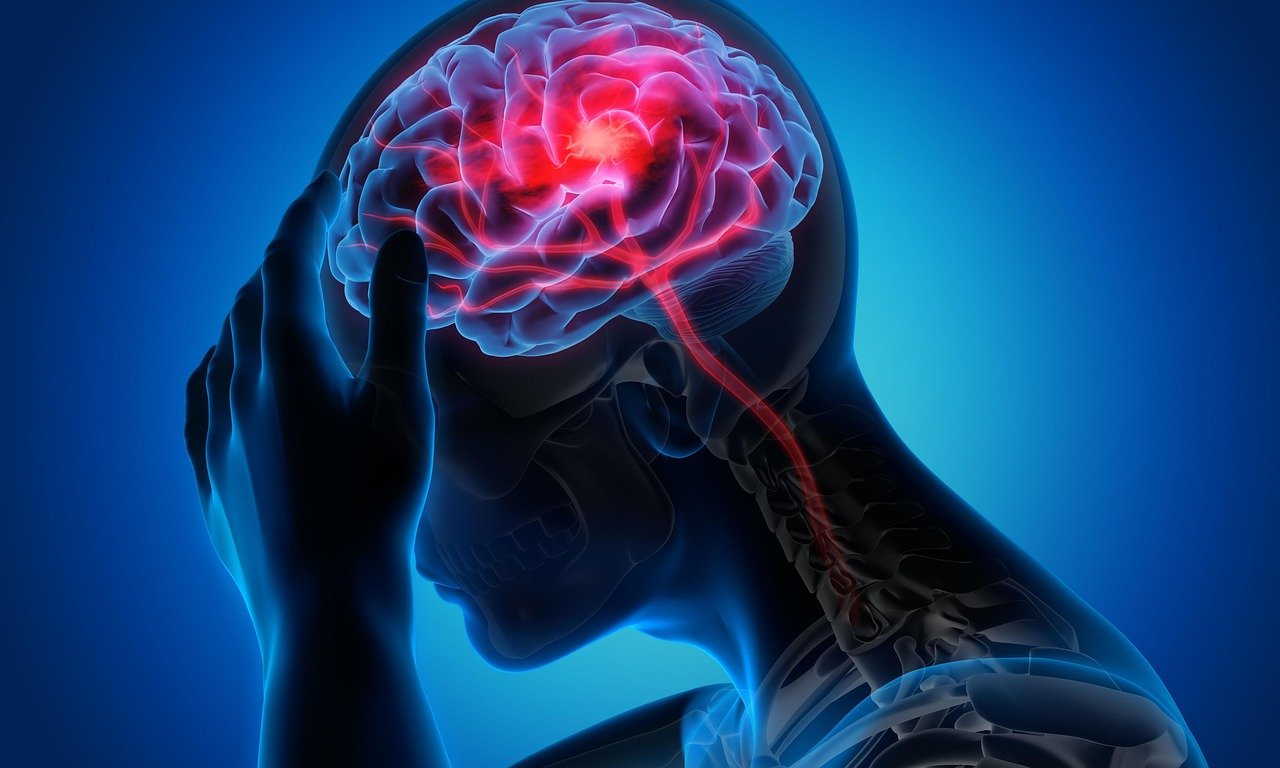
Migraine is a common neurological condition that causes recurring episodes of moderate to severe headaches, often accompanied by other symptoms such as nausea, sensitivity to light, and sensitivity to sound. Unlike ordinary headaches, migraines can significantly affect daily activities, work performance, and overall quality of life. Migraine attacks may last for several hours to several days and can vary in frequency from occasional episodes to chronic, recurring attacks. Early diagnosis and appropriate treatment can help reduce the severity and frequency of migraine episodes and improve long-term well-being.
The exact cause of migraine is not fully understood, but it is believed to involve complex interactions between the brain, nerves, blood vessels, and certain chemical messengers. Genetic factors often play a role, as migraines tend to run in families. Various triggers can contribute to migraine attacks, including emotional stress, lack of sleep, hormonal fluctuations, dehydration, skipped meals, excessive screen exposure, bright lights, strong odors, and certain foods or beverages. Environmental changes and underlying medical conditions may also increase the likelihood of developing migraines in susceptible individuals.
Migraine symptoms can differ from person to person and may occur in stages. The most common symptom is a throbbing or pulsating headache, usually affecting one side of the head, although both sides may be involved. Many individuals experience nausea, vomiting, dizziness, blurred vision, and increased sensitivity to light, sound, or smells. Some patients may develop visual disturbances known as aura before the headache begins, including flashing lights, blind spots, or temporary vision changes. Fatigue, difficulty concentrating, and mood changes may also occur before, during, or after a migraine attack.
Diagnosing migraine involves a detailed evaluation of the patient’s medical history, symptom patterns, and potential triggers. A thorough physical and neurological examination helps rule out other causes of headaches. Physicians may ask about the frequency, duration, severity, and associated symptoms of headache episodes. In certain cases, imaging studies such as CT scans or MRI scans may be recommended to exclude other neurological conditions, especially when headaches present with unusual features or warning signs. Accurate diagnosis is essential for developing an effective treatment plan tailored to the patient’s needs.
Migraine treatment focuses on relieving symptoms during an attack and preventing future episodes. Acute treatment may include pain-relieving medications, anti-inflammatory drugs, and medications specifically designed to treat migraine attacks. Preventive therapies may be recommended for patients who experience frequent or severe migraines. Lifestyle modifications such as maintaining regular sleep patterns, managing stress, staying hydrated, and avoiding known triggers can significantly reduce migraine frequency. Advanced treatment approaches may also include prescription preventive medications and personalized management strategies designed to improve long-term control and quality of life.
Successful migraine management often requires ongoing care and monitoring. Patients are encouraged to identify and avoid individual triggers, maintain a healthy lifestyle, and follow prescribed treatment plans consistently. Keeping a headache diary can help track symptoms, identify patterns, and evaluate treatment effectiveness. Regular follow-up consultations allow healthcare providers to assess progress, adjust medications when necessary, and provide guidance on long-term migraine prevention. Continued adherence to lifestyle recommendations plays an important role in reducing recurrence and improving overall health.
If left untreated or poorly controlled, migraines can have a significant impact on physical, emotional, and social well-being. Frequent migraine attacks may lead to reduced productivity, sleep disturbances, anxiety, depression, and impaired quality of life. In some cases, individuals may develop chronic migraine, where headaches occur on many days of the month. Excessive use of pain medications can also result in medication-overuse headaches, further complicating treatment. Timely medical intervention helps minimize these risks and supports better long-term outcomes.
Medical evaluation is recommended if headaches become frequent, severe, or interfere with daily activities. Patients should seek immediate medical attention if they experience a sudden and intense headache, headaches following a head injury, weakness or numbness, difficulty speaking, vision loss, confusion, seizures, or any new neurological symptoms. Individuals whose headache patterns change significantly or do not respond to usual treatments should also consult a healthcare professional. Early assessment and expert care can help identify the cause of symptoms and ensure appropriate treatment for effective migraine management.

MBBS, MD (General Medicine)
WhatsApp us