

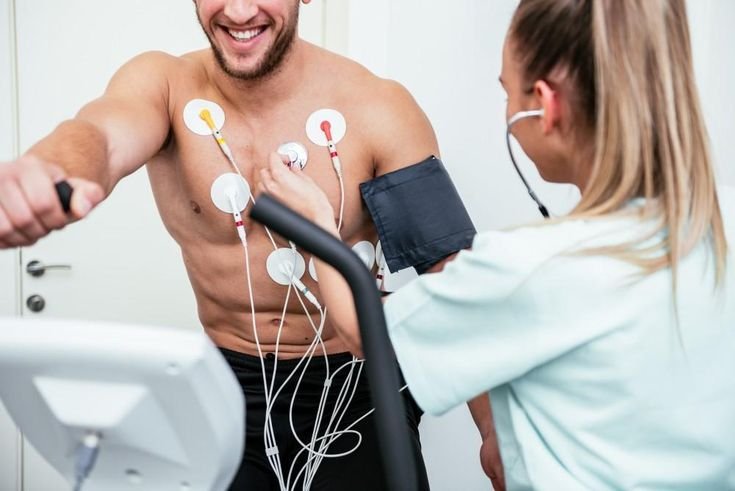
A Treadmill Test (TMT), also known as an exercise stress test, is a diagnostic procedure used to evaluate how the heart performs under physical stress. Unlike resting tests, a TMT assesses the heart’s response during exercise, typically while walking on a treadmill with gradually increasing speed and incline. This test helps identify issues that may not be visible when the body is at rest, providing valuable insights into blood flow, heart rhythm, and overall cardiovascular fitness. It is widely used in both preventive screening and the evaluation of existing heart conditions.
A TMT test is recommended for individuals who may be at risk of coronary artery disease or who require assessment of heart function during physical activity. Common reasons include a history of chest pain, high blood pressure, diabetes, high cholesterol, or previous heart-related conditions. It is also advised for individuals with a sedentary lifestyle, those planning to start an exercise program, or patients undergoing evaluation before certain medical procedures. The test is particularly useful in detecting reduced blood supply to the heart during exertion.
Doctors often suggest a TMT test when patients experience symptoms that become noticeable during physical activity. These may include chest discomfort, shortness of breath, unusual fatigue, dizziness, or palpitations while walking or climbing stairs. In some cases, individuals may not have clear symptoms but still require evaluation due to underlying risk factors. A TMT helps uncover hidden cardiac issues that may only appear during exertion.
During a TMT test, electrodes are placed on the chest to continuously monitor the heart’s electrical activity while the patient walks on a treadmill. The intensity of exercise is gradually increased under medical supervision. Blood pressure and heart rate are closely monitored throughout the procedure. The test typically lasts 15 to 30 minutes, depending on the patient’s fitness level and response. The results help identify abnormalities such as reduced blood flow to the heart, irregular heart rhythms, or exercise-induced symptoms, aiding in accurate diagnosis.
Although the TMT test itself is diagnostic, it plays a crucial role in guiding treatment decisions. Based on the findings, the doctor may recommend lifestyle modifications, medications, or further diagnostic tests such as imaging studies or angiography. In some cases, interventional procedures may be required to improve blood flow to the heart. The test ensures that treatment plans are tailored to the patient’s specific condition and level of cardiac function.
After completing a TMT test, patients can usually resume normal activities unless advised otherwise. If the test results indicate any abnormalities, follow-up consultations and additional evaluations may be recommended. Maintaining a heart-healthy lifestyle, including regular exercise, balanced nutrition, and stress management, is essential for improving and sustaining cardiovascular health. Adherence to medical advice plays a key role in long-term outcomes.
A TMT test is generally safe when performed under proper medical supervision. However, since it involves physical exertion, there is a minimal risk of symptoms such as chest pain, dizziness, or irregular heart rhythms during the test. Medical professionals are present throughout the procedure to ensure patient safety and to stop the test if any concerning signs appear. Serious complications are rare.
You should consider a TMT test if you experience chest discomfort, breathlessness, or unusual fatigue during physical activity. It is also recommended for individuals with known risk factors such as diabetes, hypertension, or a family history of heart disease. Seeking timely medical evaluation helps detect potential issues early and allows for appropriate intervention, ensuring better heart health and overall well-being.
WhatsApp us