
Vipanchi Heart Centre
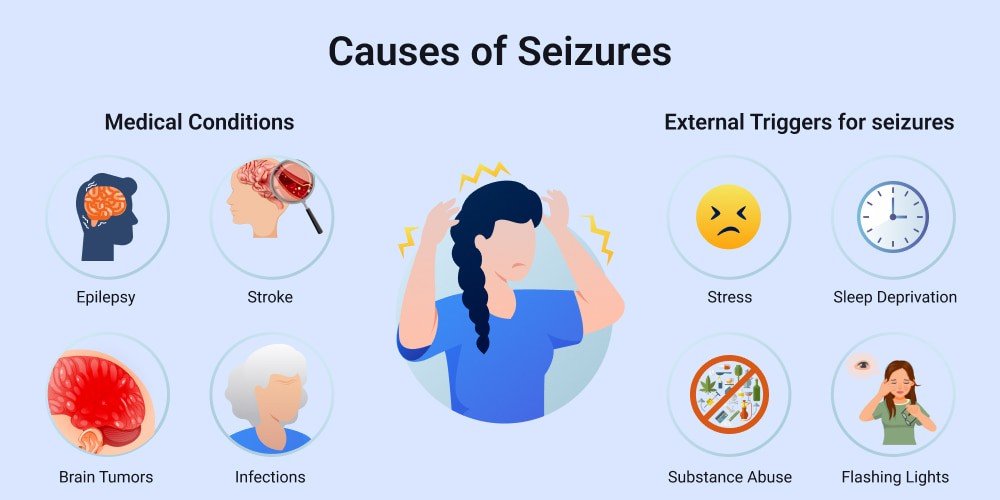
Seizure disorders are neurological conditions characterized by sudden, abnormal electrical activity in the brain that can lead to changes in behavior, movement, sensation, awareness, or consciousness. While a single seizure may occur due to a temporary medical condition, recurrent seizures are often associated with epilepsy or other underlying neurological disorders. Seizure disorders can affect individuals of all ages and vary widely in severity, frequency, and presentation. Early diagnosis and appropriate treatment play a crucial role in controlling symptoms, preventing complications, and improving quality of life.
Seizure disorders can develop due to a variety of factors that affect the normal functioning of the brain. Common causes include genetic predisposition, brain injuries, stroke, brain tumors, infections such as meningitis or encephalitis, and developmental abnormalities of the brain. Certain metabolic imbalances, including low blood sugar, electrolyte disturbances, or kidney and liver disorders, may also trigger seizures. In some individuals, the exact cause remains unknown despite thorough evaluation. Understanding the underlying cause is essential for determining the most effective treatment strategy.
The symptoms of seizure disorders can vary depending on the area of the brain involved and the type of seizure experienced. Some individuals may experience brief episodes of staring, confusion, or loss of awareness, while others may have involuntary jerking movements of the arms and legs, muscle stiffness, or loss of consciousness. Sensory symptoms such as unusual smells, tastes, visual disturbances, or tingling sensations may occur before a seizure. Following a seizure, patients often experience fatigue, headache, temporary confusion, or memory difficulties. The frequency and intensity of symptoms can differ significantly from person to person.
Diagnosing seizure disorders involves a detailed medical history, physical examination, and neurological assessment. The physician will gather information about the nature of the episodes, their duration, frequency, and any associated symptoms. Diagnostic tests such as electroencephalography (EEG) are commonly used to evaluate electrical activity in the brain and identify abnormal patterns. Brain imaging studies, including MRI or CT scans, help detect structural abnormalities, injuries, or other underlying conditions. Blood tests may also be performed to identify metabolic or systemic causes that could contribute to seizure activity.
Treatment for seizure disorders is individualized based on the type of seizure, underlying cause, age of the patient, and overall health condition. Anti-seizure medications are the primary treatment and are highly effective in controlling seizures for many individuals. The choice of medication depends on the specific seizure type and patient characteristics. In cases where seizures do not respond adequately to medications, additional treatment options such as dietary therapy, nerve stimulation devices, or epilepsy surgery may be considered. Lifestyle modifications, including adequate sleep, stress management, and avoidance of known seizure triggers, are also important components of long-term management.
Ongoing follow-up care is essential for individuals living with seizure disorders. Patients should take medications exactly as prescribed and attend regular medical appointments to monitor treatment effectiveness and adjust therapy when necessary. Maintaining a healthy lifestyle, getting sufficient rest, and avoiding alcohol or other substances that may trigger seizures can help reduce the risk of recurrence. Family members and caregivers should also be educated about seizure first aid and emergency response measures. Consistent monitoring and communication with healthcare providers contribute significantly to successful seizure control and improved quality of life.
If left untreated or poorly controlled, seizure disorders can lead to several complications. Recurrent seizures may increase the risk of physical injuries resulting from falls, accidents, or loss of consciousness. Frequent seizures can also affect memory, concentration, learning ability, and emotional well-being. In rare cases, prolonged seizures or repeated seizures without recovery between episodes can become a medical emergency known as status epilepticus. Proper diagnosis, treatment, and regular follow-up are important for minimizing these risks and preventing long-term complications.
Medical attention should be sought if an individual experiences a seizure for the first time, develops recurrent episodes of unusual movements or loss of consciousness, or notices unexplained periods of confusion or altered awareness. Immediate medical care is necessary if a seizure lasts longer than five minutes, occurs repeatedly without recovery, results in injury, or is accompanied by breathing difficulties. Individuals with known seizure disorders should also consult their doctor if symptoms worsen, medication side effects develop, or seizure frequency increases. Early evaluation and treatment can help achieve better seizure control and reduce the risk of complications.

MBBS, MD (General Medicine)
WhatsApp us