Vipanchi Heart Centre
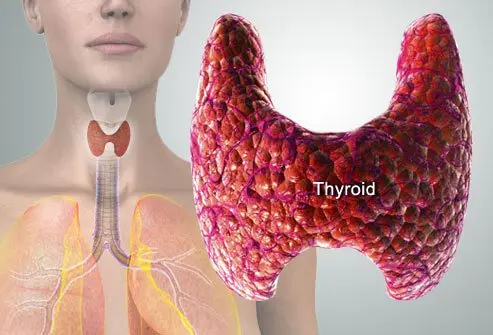
Thyroid problems are common endocrine disorders that affect the thyroid gland, a small butterfly-shaped gland located at the front of the neck. The thyroid plays a vital role in regulating metabolism, energy production, body temperature, heart rate, and overall growth and development through the hormones it produces. When the thyroid gland becomes overactive, underactive, enlarged, or develops nodules, it can disrupt many essential body functions. Common thyroid disorders include hypothyroidism, hyperthyroidism, thyroid nodules, goiter, and autoimmune thyroid diseases. Early diagnosis and appropriate management are important to maintain hormonal balance and prevent long-term health complications.
Thyroid problems can develop due to a variety of factors, including autoimmune conditions, genetic predisposition, hormonal imbalances, iodine deficiency or excess, infections, and certain medications. Autoimmune disorders such as Hashimoto’s thyroiditis and Graves’ disease are among the most common causes of thyroid dysfunction. Family history can increase the likelihood of developing thyroid disease, while pregnancy, menopause, and advancing age may also influence thyroid health. In some cases, thyroid nodules or enlargement of the gland may occur due to nutritional deficiencies, inflammation, or underlying medical conditions. Environmental factors and radiation exposure may also contribute to thyroid abnormalities.
The symptoms of thyroid disorders vary depending on whether the gland is producing too much or too little hormone. Individuals with hypothyroidism may experience fatigue, weight gain, dry skin, constipation, cold intolerance, depression, slowed heart rate, and difficulty concentrating. Hyperthyroidism can cause unexplained weight loss, rapid heartbeat, excessive sweating, anxiety, irritability, tremors, and sleep disturbances. Some patients may notice swelling in the neck due to thyroid enlargement or nodules. Because thyroid hormones affect multiple organs, symptoms can be gradual and may sometimes be mistaken for other health conditions, making timely medical evaluation essential.
Diagnosing thyroid problems involves a detailed medical history, physical examination, and specialized laboratory testing. Blood tests are commonly used to measure thyroid hormone levels, including Thyroid Stimulating Hormone (TSH), T3, and T4. These tests help determine whether the thyroid is functioning normally, underactive, or overactive. Depending on the findings, additional investigations such as thyroid ultrasound, antibody testing, radioactive iodine uptake studies, or fine-needle aspiration biopsy of thyroid nodules may be recommended. Accurate diagnosis allows physicians to identify the specific thyroid condition and develop an individualized treatment plan.
Treatment for thyroid disorders depends on the underlying cause, severity of symptoms, and overall health of the patient. Hypothyroidism is typically managed with thyroid hormone replacement therapy to restore normal hormone levels and improve symptoms. Hyperthyroidism may be treated with medications that reduce hormone production, radioactive iodine therapy, or, in selected cases, surgery. Patients with thyroid nodules or goiter may require monitoring, medication, or surgical intervention depending on the size and nature of the condition. Regular follow-up and hormone level monitoring are essential to ensure effective treatment and maintain optimal thyroid function over time.
Ongoing care plays an important role in the successful management of thyroid disorders. Patients are encouraged to attend regular follow-up appointments and undergo periodic blood tests to monitor thyroid hormone levels. Medication should be taken exactly as prescribed, and any changes in symptoms should be reported to the healthcare provider. Maintaining a balanced diet, following medical advice regarding iodine intake, staying physically active, and managing stress can support overall thyroid health. Long-term monitoring helps ensure treatment remains effective and reduces the risk of recurrence or complications.
If left untreated, thyroid disorders can lead to significant health complications. Hypothyroidism may contribute to elevated cholesterol levels, heart disease, infertility, nerve damage, and severe metabolic disturbances. Untreated hyperthyroidism can increase the risk of heart rhythm abnormalities, osteoporosis, muscle weakness, and thyroid storm, a rare but potentially life-threatening condition. Large thyroid nodules or goiters may cause difficulty swallowing or breathing. Early diagnosis and proper treatment are essential to minimize these risks and maintain overall health and well-being.
Medical attention should be sought if you experience persistent fatigue, unexplained weight changes, neck swelling, palpitations, changes in bowel habits, excessive sweating, intolerance to heat or cold, or any other symptoms suggestive of thyroid dysfunction. Individuals with a family history of thyroid disease, autoimmune disorders, or previous thyroid conditions should also consider regular health evaluations. Early consultation with a qualified physician can help identify thyroid problems promptly, allowing for effective treatment and better long-term outcomes.

MBBS, MD (General Medicine)
WhatsApp us