

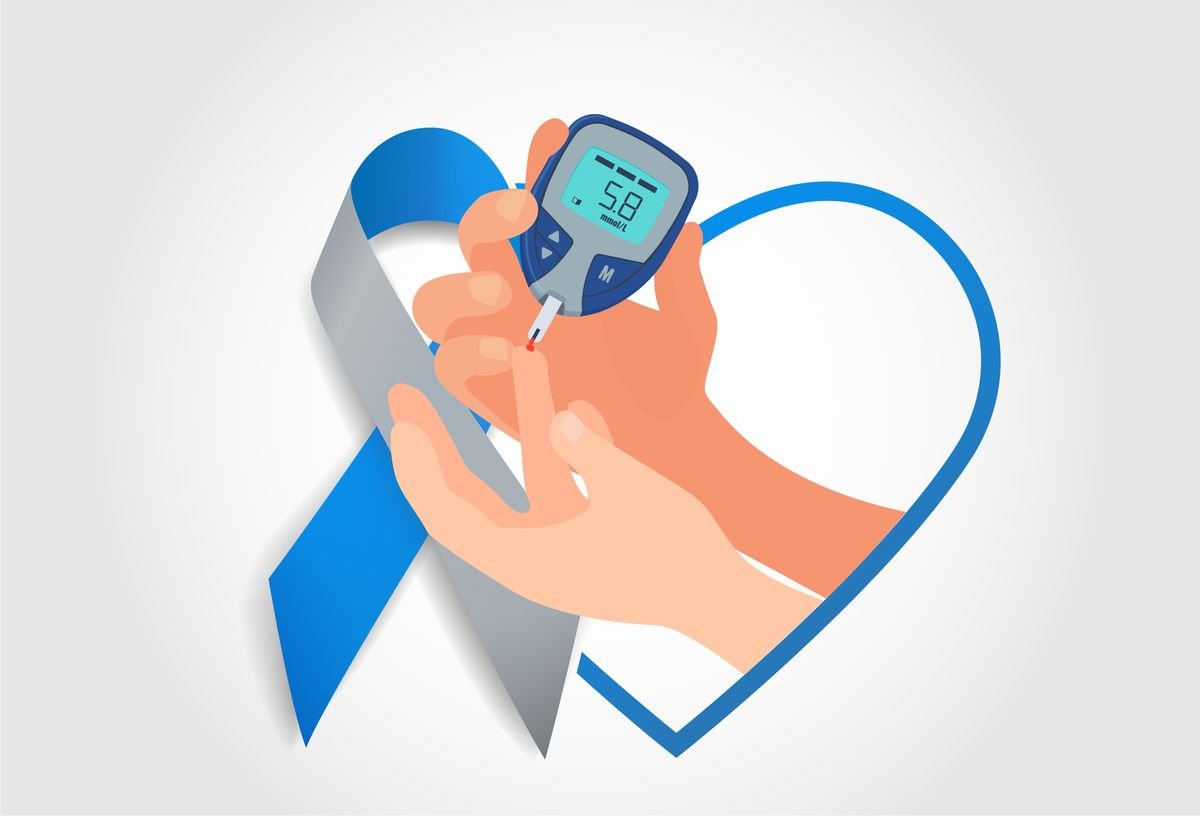
Diabetes heart risk evaluation is a comprehensive assessment designed to understand how diabetes impacts cardiovascular health. Individuals with diabetes are at a significantly higher risk of developing heart disease due to prolonged elevated blood sugar levels, which can damage blood vessels and nerves controlling the heart. This evaluation focuses on identifying early signs of cardiovascular complications, assessing overall risk, and creating a personalized prevention or treatment plan. It plays a crucial role in reducing long-term complications and improving quality of life.
The increased risk of heart disease in individuals with diabetes is primarily linked to the effects of high blood sugar on blood vessels and circulation. Over time, elevated glucose levels can lead to inflammation, narrowing of arteries, and plaque buildup. Additional contributing factors often seen alongside diabetes include high blood pressure, abnormal cholesterol levels, obesity, and insulin resistance. Lifestyle factors such as poor diet, lack of physical activity, and smoking can further accelerate cardiovascular risk, making regular evaluation essential.
In many cases, early stages of heart disease in diabetic patients may not present clear symptoms. However, some individuals may experience warning signs such as chest discomfort, shortness of breath, fatigue, dizziness, or swelling in the legs. It is important to note that diabetes can sometimes mask typical heart-related symptoms, leading to delayed detection. This makes routine evaluation even more important, even when no obvious symptoms are present.
A diabetes heart risk evaluation involves a detailed clinical assessment along with specific diagnostic tests. These may include blood sugar monitoring, lipid profile tests, blood pressure measurement, and heart-related investigations such as ECG, echocardiography, or stress testing. In certain cases, advanced imaging or vascular studies may be recommended to assess blood flow and detect blockages. The combination of these tests helps provide a clear picture of cardiovascular health and identifies potential risks early.
Management of heart risk in diabetic patients focuses on controlling blood sugar levels while addressing other cardiovascular risk factors. Treatment may include medications to regulate glucose levels, manage cholesterol, and control blood pressure. Lifestyle modifications play a central role, including a balanced diet, regular physical activity, weight management, and smoking cessation. In some cases, additional cardiac treatments or procedures may be required depending on the severity of the condition. The aim is to reduce overall risk and prevent the progression of heart disease.
Continuous monitoring and follow-up are essential after a diabetes heart risk evaluation. Patients are advised to regularly track blood sugar, blood pressure, and cholesterol levels. Adhering to prescribed medications and maintaining a healthy lifestyle significantly improves outcomes. Regular consultations allow for timely adjustments in treatment and help ensure long-term cardiovascular protection.
If not properly managed, diabetes significantly increases the risk of serious cardiovascular complications. These include coronary artery disease, heart attack, stroke, and heart failure. The presence of multiple risk factors can further accelerate disease progression. Early evaluation and consistent management greatly reduce these risks and help maintain overall health.
Individuals with diabetes should undergo regular heart risk evaluations, even if they feel well. Immediate medical attention is necessary if symptoms such as chest pain, breathlessness, unusual fatigue, or dizziness occur. Those with additional risk factors like high blood pressure, high cholesterol, or a family history of heart disease should be particularly vigilant. Timely consultation and proactive care are key to preventing serious complications and ensuring better heart health.
WhatsApp us