

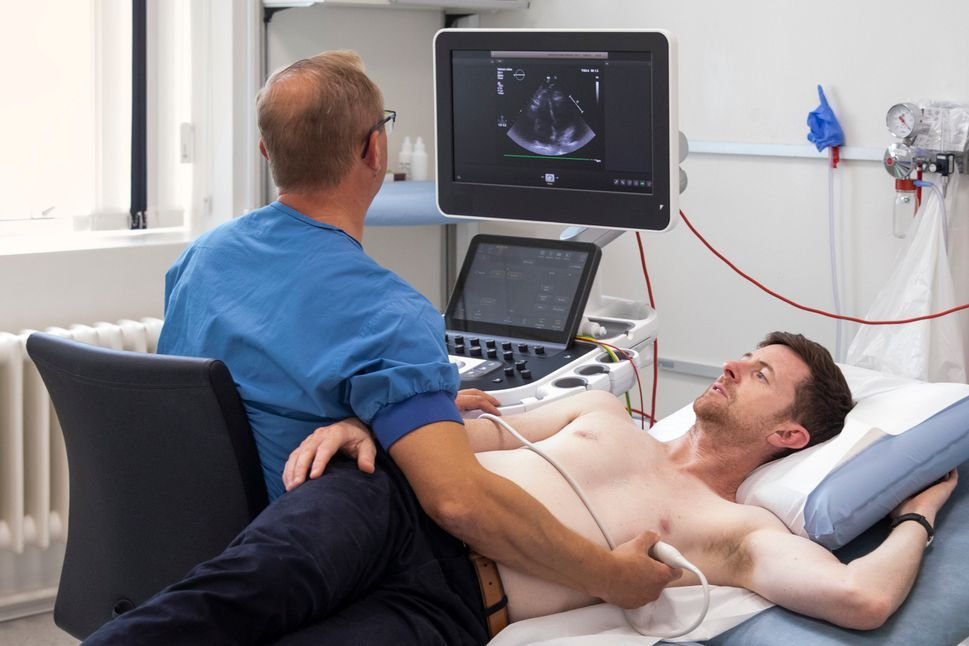
Holter monitoring is a continuous, non-invasive diagnostic test used to record the heart’s electrical activity over an extended period, typically 24 to 48 hours or longer. Unlike a standard ECG that captures heart activity for only a few minutes, Holter monitoring provides a detailed, day-to-day record of heart rhythm during normal activities. This makes it especially useful for detecting intermittent or irregular heartbeats that may not appear during a routine examination. The test is comfortable, portable, and allows patients to go about their daily routine while the heart’s performance is continuously monitored.
Holter monitoring is recommended when there is a need to evaluate unexplained cardiac symptoms or to monitor known heart conditions more closely. It is often advised for patients experiencing irregular heart rhythms, palpitations, or unexplained dizziness. It is also used to assess the effectiveness of ongoing treatments, such as medications for arrhythmias, or to evaluate heart function after a cardiac event. Individuals with a history of heart disease or those at higher risk may benefit from this detailed form of monitoring.
Patients are typically referred for Holter monitoring when they experience symptoms that occur unpredictably or intermittently. These include palpitations, fainting spells, dizziness, shortness of breath, or episodes of rapid or slow heart rate. Since these symptoms may not be present during a short ECG test, continuous monitoring helps capture and correlate them with heart rhythm changes. Even mild or occasional symptoms can be significant and warrant thorough evaluation.
During Holter monitoring, small electrodes are attached to the chest and connected to a portable recording device worn by the patient. This device continuously records the heart’s electrical activity over the monitoring period. Patients are usually asked to maintain a diary of their daily activities and any symptoms they experience, which helps in correlating events with the recorded data. After the monitoring period, the data is analyzed to identify irregular heart rhythms, pauses, or other abnormalities that may require medical attention.
While Holter monitoring itself is a diagnostic tool, the information it provides is crucial in determining the appropriate course of treatment. Based on the findings, the doctor may recommend medications to regulate heart rhythm, adjust existing treatments, or suggest further investigations. In some cases, advanced interventions such as pacemaker placement or other procedures may be considered. The goal is to accurately diagnose and effectively manage the underlying condition.
After completing Holter monitoring, patients can immediately return to their normal routine once the device is removed. If abnormalities are detected, follow-up consultations and ongoing monitoring may be necessary. Patients are encouraged to follow medical advice, take prescribed medications consistently, and adopt heart-healthy lifestyle practices. Regular checkups help ensure that any changes in heart rhythm are managed effectively over time.
Holter monitoring is a safe and risk-free procedure, as it simply records the heart’s natural electrical activity without emitting any signals into the body. Some patients may experience minor skin irritation where the electrodes are placed, but this is usually temporary. The test is well-tolerated and suitable for patients of all ages, making it a reliable option for long-term heart monitoring.
You should consider Holter monitoring if you experience frequent or unexplained palpitations, dizziness, fainting episodes, or irregular heartbeats. It is also recommended if previous tests have not provided clear answers but symptoms persist. Seeking timely evaluation helps in identifying hidden heart rhythm issues and allows for early and effective treatment, ensuring better cardiovascular health and peace of mind.
WhatsApp us