

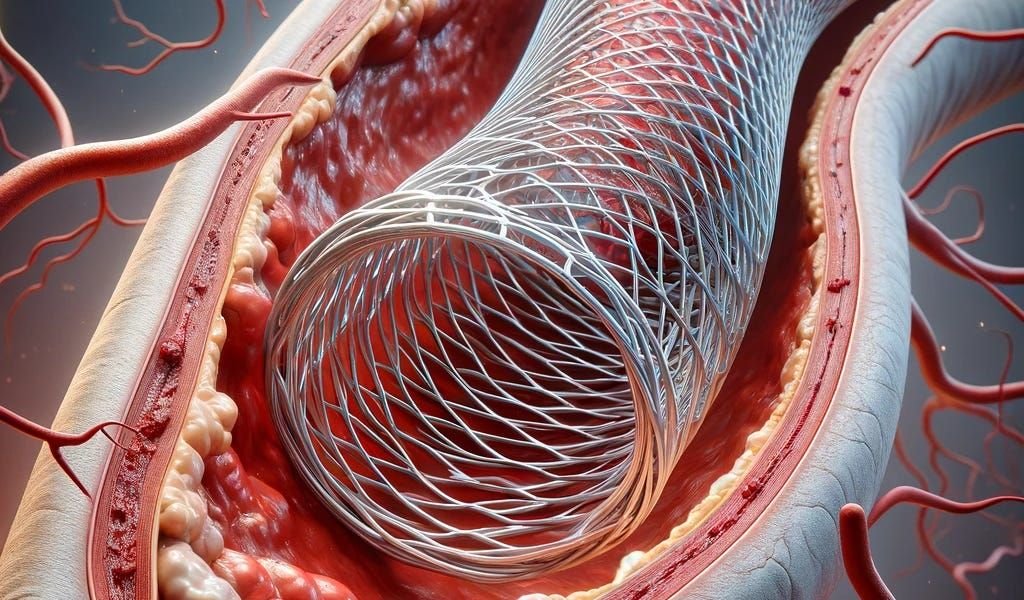
Stent placement is a minimally invasive cardiac procedure used to keep narrowed or blocked coronary arteries open and maintain proper blood flow to the heart. It is commonly performed as part of treatment for coronary artery disease, where plaque buildup restricts circulation. A stent is a small, mesh-like tube that is inserted into the artery and expanded to support the vessel walls. This procedure helps relieve symptoms such as chest pain and significantly reduces the risk of heart attack, improving overall heart function and quality of life.
Stent placement is recommended when coronary arteries become narrowed or blocked due to a condition known as Atherosclerosis. This occurs when fatty deposits accumulate on the inner walls of the arteries, restricting blood flow. Contributing factors include high cholesterol, high blood pressure, diabetes, smoking, obesity, and lack of physical activity. Patients who have experienced a heart attack or severe angina are often advised to undergo stent placement to restore normal circulation.
Patients who require stent placement typically experience symptoms related to reduced blood flow to the heart. These include chest pain or pressure, shortness of breath, fatigue, and discomfort that may spread to the arms, neck, jaw, or back. Symptoms may worsen during physical exertion or stress. In some cases, stent placement is performed as an emergency procedure during a heart attack when symptoms are sudden and severe.
Before stent placement, diagnostic tests are performed to confirm the presence and severity of arterial blockages. A coronary angiogram is the most commonly used test, providing detailed images of the coronary arteries. Additional tests such as ECG, echocardiography, or stress tests may also be used to assess heart function. These evaluations help determine the exact location and extent of the blockage, guiding precise treatment.
Stent placement is usually performed during a procedure called coronary angioplasty. A catheter is inserted through a blood vessel, typically in the wrist or groin, and guided to the blocked artery. A balloon at the tip is inflated to open the artery, and the stent is placed to keep it open. In many cases, drug-eluting stents are used to prevent re-narrowing of the artery. This treatment restores blood flow quickly and effectively, reducing symptoms and improving heart health
After stent placement, patients are closely monitored for a short period and can usually resume normal activities within a few days. Long-term care includes taking prescribed medications such as antiplatelet drugs to prevent blood clots, maintaining a heart-healthy diet, exercising regularly, and avoiding smoking. Regular follow-up visits are important to monitor recovery and ensure the stent continues to function effectively.
Stent placement is generally safe, but like any medical procedure, it carries some risks. These may include bleeding or bruising at the insertion site, blood clots within the stent, or re-narrowing of the artery over time. In rare cases, complications such as heart attack, stroke, or infection may occur. With proper medical care and adherence to treatment guidelines, these risks are significantly minimized.
You should consult a doctor if you experience persistent chest pain, breathlessness, or symptoms that suggest reduced blood flow to the heart. Individuals diagnosed with coronary artery disease or those who have had a heart attack may require evaluation for stent placement. Early medical intervention helps restore circulation, prevent serious complications, and support long-term heart health.
WhatsApp us