
Vipanchi Heart Centre
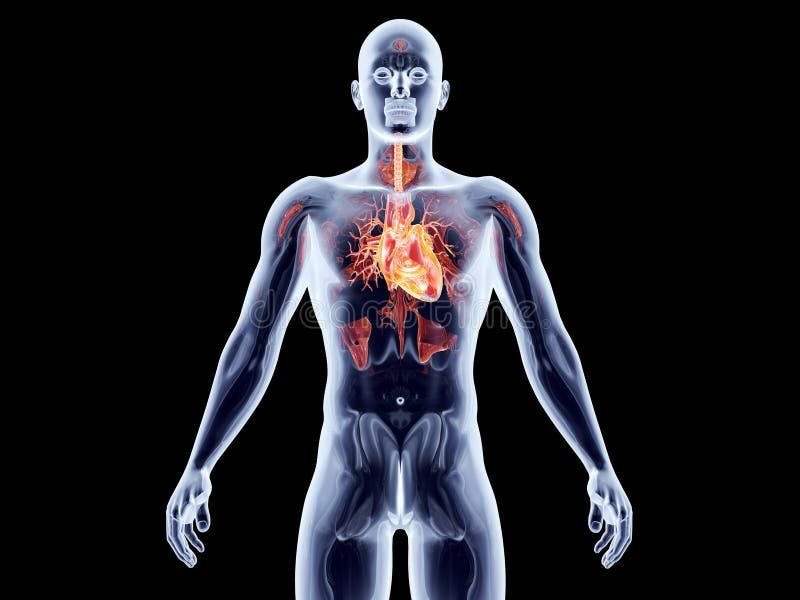
Radial angiography is a modern, minimally invasive diagnostic procedure used to visualize the coronary arteries through the radial artery in the wrist. It is an alternative to the traditional femoral (groin) approach and is widely preferred due to its safety, comfort, and faster recovery time. During the procedure, contrast dye and imaging techniques are used to clearly assess blood flow and detect any blockages in the arteries supplying the heart. Radial angiography plays a key role in diagnosing conditions such as Coronary Artery Disease and guiding further treatment decisions.
Radial angiography is recommended when there is a need to evaluate suspected coronary artery blockages or confirm abnormal findings from other cardiac tests. Common reasons include chest pain, positive stress test results, or a history of heart disease. It is also used in patients who require follow-up evaluation after previous cardiac procedures. Individuals with risk factors such as diabetes, high blood pressure, smoking, or high cholesterol may also be advised to undergo this procedure for a detailed assessment
Patients undergoing radial angiography often present with symptoms that suggest reduced blood flow to the heart. These include chest pain or discomfort, shortness of breath, fatigue, dizziness, or palpitations. In some cases, the procedure may be recommended even without symptoms, especially when routine tests indicate potential cardiac issues. Early detection of artery blockages helps prevent serious complications.
During radial angiography, a thin catheter is inserted through the radial artery in the wrist and carefully guided to the coronary arteries. A contrast dye is injected to make the arteries visible on X-ray imaging, allowing the doctor to identify narrowing, blockages, or abnormalities. The procedure is typically completed within 30 to 60 minutes and is performed under local anesthesia. It provides precise and reliable diagnostic information.
Although radial angiography is primarily a diagnostic procedure, it can be combined with treatment if required. If significant blockages are detected, procedures such as angioplasty and stent placement can be performed through the same access point. This approach reduces the need for multiple procedures and ensures immediate management of the condition.
One of the major advantages of radial angiography is the quick recovery time. Patients can usually sit up and walk soon after the procedure, with minimal restrictions. The risk of bleeding is lower compared to the traditional approach, and most patients can return home the same day. Doctors may recommend medications and lifestyle changes to maintain heart health and prevent future complications.
Radial angiography is considered very safe, with fewer complications compared to other access methods. Minor risks may include slight discomfort, bruising, or bleeding at the wrist site. In rare cases, there may be artery spasm or damage. However, with experienced medical care, these risks are minimal and well-controlled.
You should consult a doctor if you experience symptoms such as persistent chest pain, breathlessness, or abnormal results from previous heart tests. Individuals with risk factors for heart disease should also consider timely evaluation. Radial angiography offers a safe and effective way to diagnose heart conditions early and plan appropriate treatment, ensuring better cardiovascular health.

WhatsApp us