

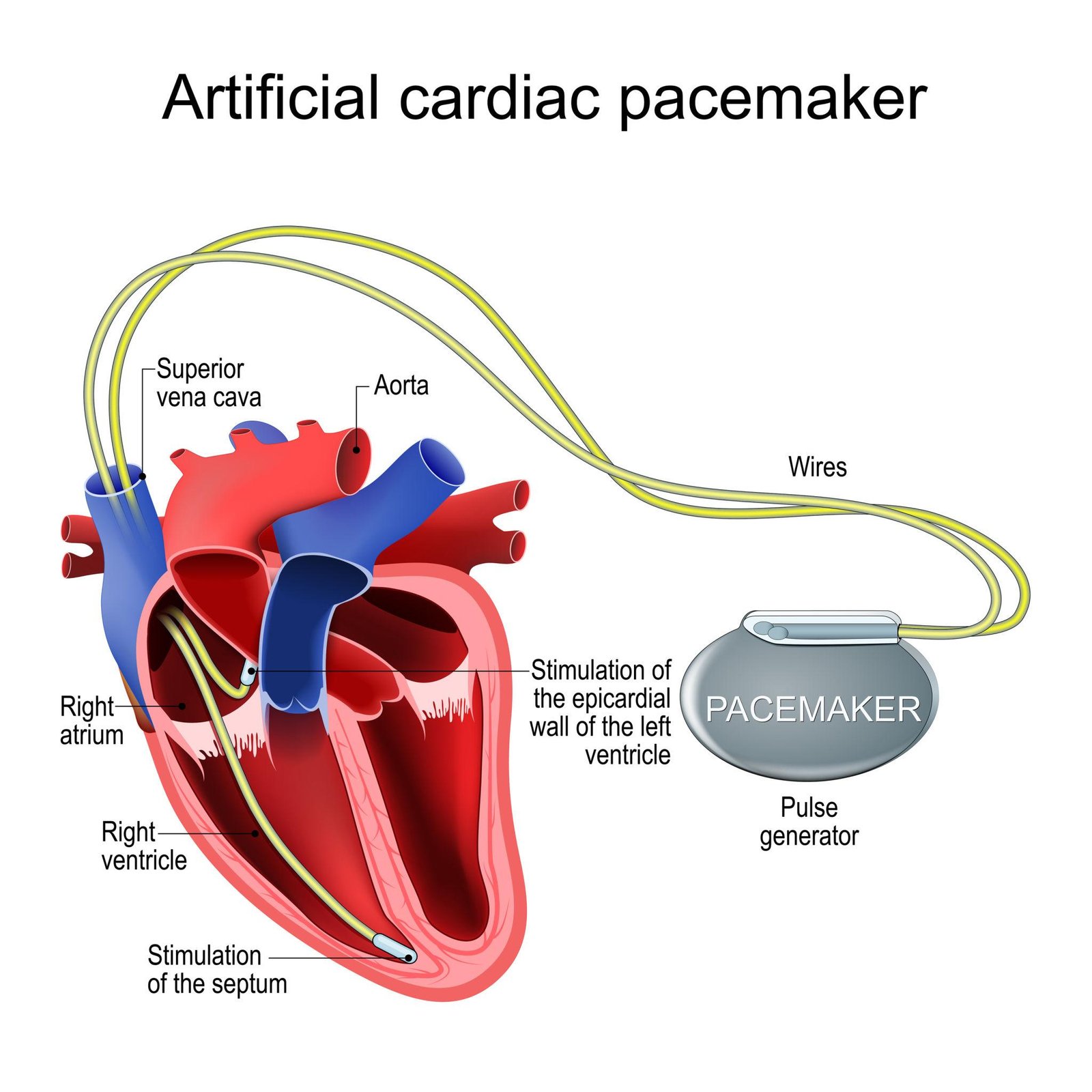
Pacemaker implantation is a specialized cardiac procedure used to regulate abnormal heart rhythms. A pacemaker is a small, battery-operated device placed under the skin, usually near the chest, that sends electrical signals to help the heart beat at a normal rate and rhythm. It is commonly recommended for patients with slow or irregular heartbeats, a condition known as Arrhythmia. This procedure significantly improves heart function, reduces symptoms, and enhances overall quality of life.
Pacemaker implantation is typically required when the heart’s natural electrical system does not function properly. This may occur due to aging-related changes, damage from previous heart attacks, congenital heart conditions, or diseases affecting the heart’s conduction system. Other contributing factors include certain medications, infections, or underlying medical conditions that disrupt normal heart rhythm. In such cases, the heart may beat too slowly or irregularly, making medical intervention necessary.
Patients who may need a pacemaker often experience symptoms related to abnormal heart rhythms. These include dizziness, fainting spells, fatigue, shortness of breath, and palpitations. Some individuals may also experience confusion or reduced ability to perform daily activities due to insufficient blood flow caused by a slow heart rate. Persistent or worsening symptoms should be evaluated promptly to determine the need for a pacemaker.
Before recommending pacemaker implantation, doctors conduct a thorough evaluation of heart rhythm and function. Diagnostic tests such as ECG, Holter monitoring, or event recorders are used to detect irregularities in heart rhythm. In some cases, additional tests like echocardiography or stress testing may be performed. These assessments help confirm the diagnosis and determine the most appropriate treatment approach.
Pacemaker implantation is a minimally invasive procedure performed under local anesthesia. A small incision is made near the chest, and the pacemaker device is placed under the skin. Thin wires, called leads, are guided through blood vessels into the heart and connected to the device. The pacemaker continuously monitors the heart’s rhythm and delivers electrical impulses when needed to maintain a steady heartbeat. The procedure is generally safe and highly effective in managing rhythm disorders.
After pacemaker implantation, patients are monitored for a short period and usually discharged within a day or two. It is important to follow specific guidelines, such as avoiding heavy lifting and limiting arm movement on the side of implantation for a few weeks. Regular follow-up visits are necessary to check the device’s function and battery life. Most patients can return to normal activities and experience significant improvement in symptoms.
Pacemaker implantation is generally safe, but some risks may be associated with the procedure. These include infection at the implantation site, bleeding, or minor complications related to the leads. In rare cases, device malfunction or displacement may occur. However, with proper care and regular monitoring, these risks are minimal and manageable.
You should consult a doctor if you experience symptoms such as persistent dizziness, fainting, unexplained fatigue, or irregular heartbeats. Individuals diagnosed with arrhythmias or those with a history of heart conditions should undergo regular evaluation. Early diagnosis and timely pacemaker implantation can effectively restore normal heart rhythm and prevent serious complications.
WhatsApp us