

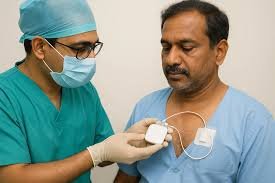
A temporary pacemaker is a short-term cardiac support device used to regulate the heart’s rhythm when it becomes dangerously slow or unstable. Unlike a permanent pacemaker, this device is used in emergency or transitional situations to stabilize the patient until the underlying condition improves or a long-term solution is planned. It delivers controlled electrical impulses to maintain an adequate heart rate and ensure proper blood circulation. Temporary pacing is often lifesaving and is commonly used in critical care settings or during certain medical procedures.
A temporary pacemaker is typically required when the heart’s electrical system is suddenly impaired. This can occur due to conditions such as acute heart attack, severe Arrhythmia, drug reactions, electrolyte imbalances, or complications following cardiac procedures. It may also be used in patients awaiting permanent pacemaker implantation or during surgeries where heart rhythm disturbances are anticipated. The goal is to provide immediate support while addressing the underlying cause.
Patients who need a temporary pacemaker often present with symptoms of a significantly slow or irregular heartbeat. These may include dizziness, fainting, extreme fatigue, shortness of breath, low blood pressure, or confusion. In severe cases, the patient may experience loss of consciousness or signs of poor circulation. These symptoms indicate that the heart is not pumping effectively and requires urgent medical intervention.
The decision to use a temporary pacemaker is based on clinical evaluation and diagnostic findings. Tests such as ECG are used to identify abnormal heart rhythms, while continuous monitoring helps assess the severity of the condition. Blood tests and other investigations may be performed to identify underlying causes such as electrolyte imbalances or medication effects. Prompt diagnosis ensures timely initiation of temporary pacing when required
Temporary pacemaker insertion is a minimally invasive procedure performed under controlled conditions. A pacing wire is introduced through a vein, usually in the neck or groin, and guided into the heart. This wire is connected to an external pacing device that delivers electrical impulses to regulate the heartbeat. The device settings can be adjusted as needed based on the patient’s condition. This form of treatment provides immediate stabilization and supports recovery or further intervention.
Patients with a temporary pacemaker are closely monitored in a hospital setting to ensure proper functioning of the device and improvement in heart rhythm. Continuous observation helps detect any changes or complications early. Once the underlying condition is resolved or stabilized, the temporary pacemaker is removed. If long-term pacing is required, a permanent pacemaker may be planned. Proper care and monitoring during this period are essential for patient safety.
While temporary pacing is generally safe, some risks may be associated with the procedure. These include infection at the insertion site, bleeding, or displacement of the pacing wire. In rare cases, there may be complications related to the heart or blood vessels. However, the procedure is performed under strict medical supervision, and the benefits in emergency situations far outweigh the potential risks.
Immediate medical attention is necessary if symptoms such as severe dizziness, fainting, extreme fatigue, or sudden slowing of the heartbeat occur. These may indicate a serious heart rhythm problem requiring urgent intervention. Patients with known heart conditions or those recovering from cardiac events should remain vigilant and seek prompt care if any unusual symptoms arise. Temporary pacemaker support can be lifesaving when timely treatment is provided.
WhatsApp us