

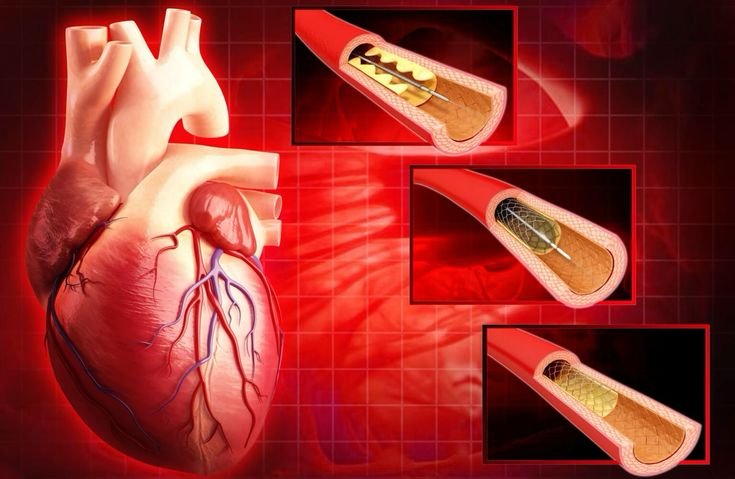
Device closure procedures are minimally invasive cardiac interventions used to close abnormal openings or defects within the heart without the need for open-heart surgery. These procedures are commonly performed to treat congenital heart defects such as Atrial Septal Defect and Ventricular Septal Defect. By using specialized closure devices delivered through a catheter, doctors can effectively seal these openings and restore normal blood flow. Device closure procedures offer a safe, effective, and quicker alternative to traditional surgical methods, with faster recovery and minimal discomfort.
Device closure procedures are typically required when there are structural abnormalities in the heart, usually present from birth. These defects allow abnormal blood flow between the heart chambers, which can strain the heart over time. While some small defects may not cause immediate problems, larger or untreated defects can lead to complications such as heart enlargement, irregular heart rhythms, or pulmonary hypertension. Early detection and timely intervention help prevent long-term damage.
Patients with heart defects requiring device closure may experience symptoms such as shortness of breath, fatigue, frequent respiratory infections, or poor exercise tolerance. In some cases, especially with smaller defects, individuals may not have noticeable symptoms and the condition may be detected during routine medical evaluation. As the condition progresses, symptoms may become more evident and impact daily activities.
Diagnosis involves a detailed cardiac evaluation to identify the type and size of the defect. Tests such as echocardiography are commonly used to visualize the heart’s structure and assess blood flow patterns. Additional investigations like ECG, chest X-rays, or advanced imaging may be recommended for a comprehensive assessment. These diagnostic tools help determine whether the defect is suitable for device closure and guide the procedure planning.
During a device closure procedure, a catheter is inserted through a blood vessel, usually in the groin, and guided to the heart. A specially designed closure device is then positioned at the site of the defect and deployed to seal the opening. Over time, the body’s natural tissue grows around the device, permanently closing the defect. This approach avoids the need for major surgery and significantly reduces hospital stay and recovery time.
After the procedure, patients are monitored for a short period and can usually return home within a day or two. Follow-up visits are important to ensure that the device is functioning properly and that the heart is healing well. Patients may be advised to take medications for a limited period and avoid strenuous activities initially. Most individuals can resume normal activities soon and experience significant improvement in symptoms.
Device closure procedures are generally safe, but as with any medical intervention, there are some potential risks. These may include bleeding at the catheter insertion site, infection, or device-related complications such as displacement. In rare cases, irregular heart rhythms or allergic reactions may occur. However, with experienced medical care, these risks are minimal and well-managed.
You should consult a doctor if you experience symptoms such as unexplained fatigue, breathlessness, or reduced exercise tolerance, especially if there is a known or suspected heart defect. Early evaluation is also important for individuals diagnosed with congenital heart conditions. Timely intervention through device closure procedures can effectively correct the defect, improve heart function, and prevent long-term complications.
WhatsApp us