Peripheral angioplasty is a minimally invasive procedure used to restore blood flow in narrowed or blocked arteries outside the heart, most commonly in the legs. It is performed to treat a condition known as Peripheral Artery Disease, where plaque buildup restricts circulation to the limbs. By widening the affected artery, this procedure improves blood flow, relieves symptoms, and helps prevent serious complications such as tissue damage or limb loss. Peripheral angioplasty is an effective and widely used treatment for improving vascular health and mobility.
Peripheral angioplasty is recommended when arteries supplying blood to the limbs become narrowed due to atherosclerosis. This condition develops when fatty deposits accumulate along the artery walls, reducing blood flow. Risk factors include smoking, diabetes, high blood pressure, high cholesterol, obesity, and a sedentary lifestyle. Aging and a family history of vascular disease can also increase the likelihood of developing peripheral artery disease, making timely evaluation and treatment important.
Patients with peripheral artery disease often experience symptoms related to reduced blood circulation in the limbs. Common signs include leg pain or cramping during walking (known as claudication), numbness, weakness, coldness in the lower legs or feet, and slow-healing wounds. In more advanced cases, pain may occur even at rest, and there may be visible changes in skin color or texture. These symptoms can significantly impact daily activities and should not be ignored.
Diagnosis of peripheral artery disease typically involves a clinical evaluation along with specific tests to assess blood flow. These may include an ankle-brachial index (ABI) test, Doppler ultrasound, or imaging studies such as angiography. A peripheral angiogram provides detailed images of the arteries, helping identify the exact location and severity of blockages. Accurate diagnosis is essential for planning effective treatment.
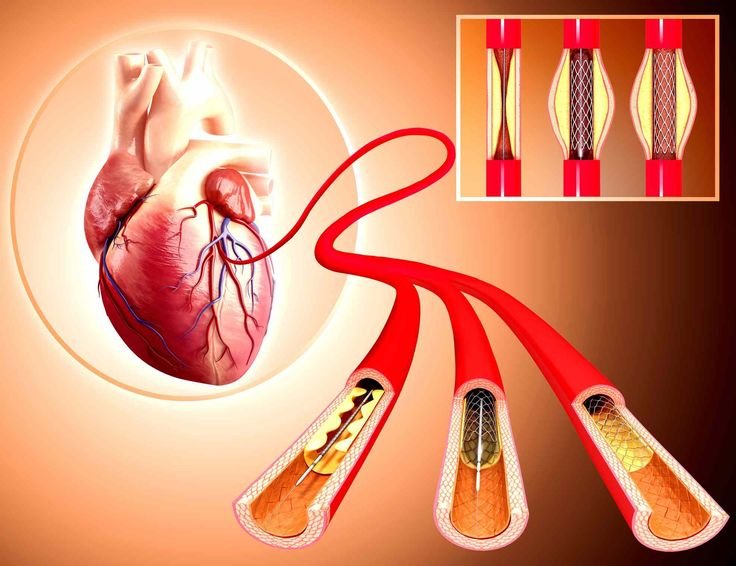
Peripheral angioplasty is performed by inserting a catheter through a blood vessel, usually in the groin or arm, and guiding it to the affected artery. A small balloon at the tip is inflated to widen the narrowed area, improving blood flow. In many cases, a stent may be placed to keep the artery open and prevent re-narrowing. This procedure offers quick relief from symptoms and is less invasive compared to traditional surgical options.
After the procedure, patients are monitored for a short period and can usually return home within a day. Recovery is relatively quick, but it is important to follow medical advice, including taking prescribed medications, maintaining a healthy lifestyle, and attending follow-up visits. Regular exercise, smoking cessation, and proper management of underlying conditions such as diabetes and hypertension are crucial for long-term success.
Peripheral angioplasty is generally safe, but some risks may be associated with the procedure. These include bleeding or bruising at the insertion site, infection, or re-narrowing of the artery over time. In rare cases, complications such as blood clots or damage to the blood vessel may occur. However, with proper care and experienced medical supervision, these risks are minimized.
You should consult a doctor if you experience persistent leg pain, numbness, or difficulty walking, especially if symptoms worsen with activity. Individuals with risk factors such as diabetes, smoking, or high blood pressure should seek regular evaluation. Early diagnosis and timely treatment through procedures like peripheral angioplasty can significantly improve circulation, relieve symptoms, and prevent serious complications.

WhatsApp us