
Vipanchi Heart Centre
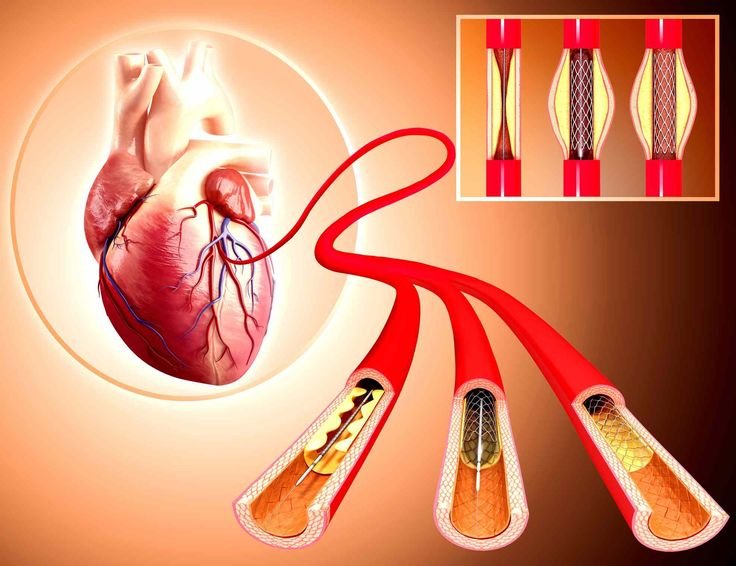
Balloon angioplasty is a minimally invasive procedure used to open narrowed or blocked arteries and restore normal blood flow. It is most commonly performed in the coronary arteries of the heart but can also be used in other blood vessels throughout the body. The procedure involves inserting a small balloon into the affected artery and inflating it to widen the narrowed area. Balloon angioplasty is a key treatment for conditions like Coronary Artery Disease, helping relieve symptoms and reduce the risk of serious cardiac events.
Balloon angioplasty is recommended when arteries become narrowed due to plaque buildup, a condition known as atherosclerosis. This buildup restricts blood flow and can lead to chest pain or heart attack. Risk factors contributing to this condition include high cholesterol, high blood pressure, diabetes, smoking, obesity, and lack of physical activity. The procedure is often advised when symptoms persist despite medical treatment or when diagnostic tests reveal significant blockage.
Patients who may require balloon angioplasty often experience symptoms related to reduced blood flow. These include chest pain or pressure, shortness of breath, fatigue, and discomfort that may radiate to the arms, neck, jaw, or back. In cases involving peripheral arteries, symptoms may include leg pain during walking. Some patients may not have obvious symptoms but are identified through routine tests showing significant arterial narrowing.
Before performing balloon angioplasty, doctors use diagnostic tests to confirm the presence and severity of arterial blockages. A coronary angiogram is commonly used to visualize the arteries and locate the narrowing. Additional tests such as ECG, echocardiography, or stress testing may be performed to assess overall heart function. These evaluations help determine whether angioplasty is the most suitable treatment option.
During balloon angioplasty, a catheter with a deflated balloon is inserted through a blood vessel, usually in the wrist or groin, and guided to the blocked artery. The balloon is then inflated to compress the plaque against the artery walls, widening the passage and improving blood flow. In many cases, a stent is placed after balloon dilation to keep the artery open and prevent re-narrowing. This procedure provides immediate improvement in circulation and symptom relief.
After the procedure, patients are monitored for a short period and can often return home within a day. Recovery is usually quick, but it is important to follow medical advice carefully. This includes taking prescribed medications, adopting a heart-healthy lifestyle, engaging in regular physical activity, and avoiding smoking. Regular follow-up visits help ensure the success of the procedure and long-term heart health.
Balloon angioplasty is generally safe, but some risks may be associated with the procedure. These include bleeding or bruising at the insertion site, re-narrowing of the artery, or blood clots. In rare cases, complications such as heart attack, stroke, or damage to the blood vessel may occur. With experienced medical care and proper follow-up, these risks are minimized.
You should consult a doctor if you experience persistent chest pain, shortness of breath, or symptoms indicating reduced blood flow. Individuals with risk factors such as diabetes, hypertension, or high cholesterol should undergo regular checkups. Early evaluation and timely treatment with procedures like balloon angioplasty can significantly improve circulation, relieve symptoms, and prevent serious complications.

WhatsApp us