
Vipanchi Heart Centre
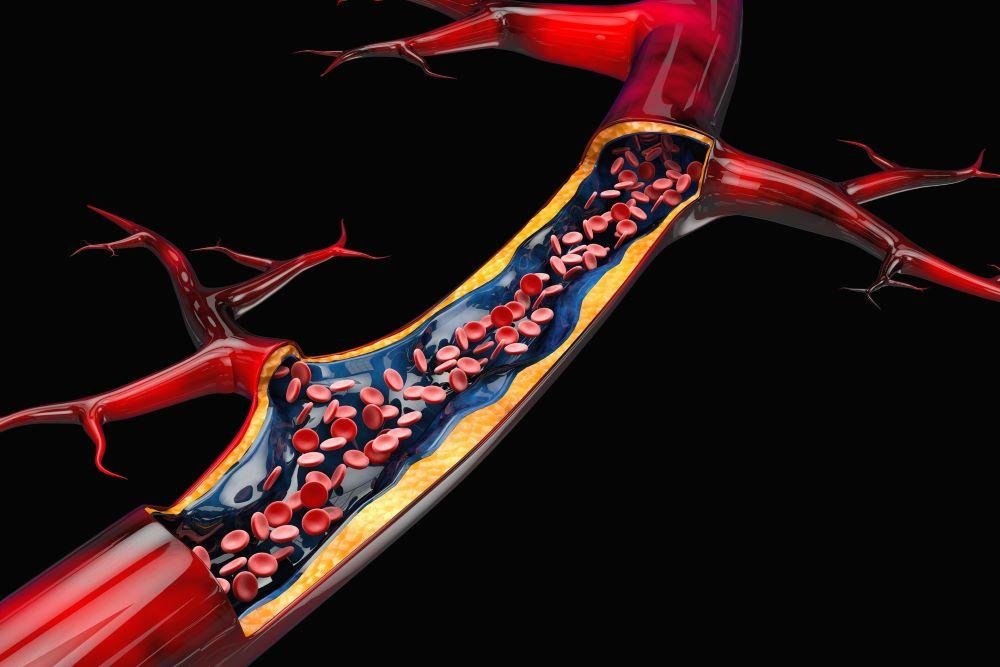
Thrombolysis is an emergency medical treatment used to dissolve dangerous blood clots that block blood flow in the heart or blood vessels. It is most commonly performed in cases of acute heart attack, medically known as Myocardial Infarction, where a clot obstructs a coronary artery and prevents oxygen from reaching the heart muscle. This treatment involves administering clot-dissolving medications to restore blood circulation quickly. Thrombolysis is time-sensitive and highly effective when given early, significantly reducing heart damage and improving survival outcomes.
Thrombolysis is required when a blood clot forms and blocks a major artery, disrupting normal blood flow. This is often caused by the rupture of plaque within the artery, leading to clot formation. Risk factors that contribute to this condition include high cholesterol, high blood pressure, diabetes, smoking, obesity, and a sedentary lifestyle. In some cases, clot formation may also occur due to blood clotting disorders or prolonged immobility. Immediate treatment is essential to prevent severe complications.
Patients who require thrombolysis typically present with sudden and severe symptoms of a heart attack. These include intense chest pain or pressure, pain radiating to the arm, neck, jaw, or back, shortness of breath, sweating, nausea, dizziness, or a feeling of impending doom. In certain individuals, especially those with diabetes, symptoms may be less typical but still serious. Recognizing these signs early and seeking urgent care is critical.
Thrombolysis is initiated based on rapid clinical evaluation and diagnostic tests. An electrocardiogram (ECG) is used to detect changes in heart activity that indicate a heart attack. Blood tests are performed to identify cardiac markers that confirm heart muscle damage. In emergency settings, these tests are conducted quickly to ensure that treatment can begin without delay, as the effectiveness of thrombolysis depends on timely administration.
Thrombolysis involves the intravenous administration of medications known as thrombolytic agents, which work by breaking down the blood clot and restoring blood flow. This treatment is often used when immediate access to procedures like angioplasty is not available. In some cases, thrombolysis may be followed by further interventions such as coronary angiography or stent placement to ensure long-term restoration of blood flow. The goal is to minimize heart damage and stabilize the patient.
After thrombolysis, patients are closely monitored in a hospital setting to assess recovery and detect any complications. Additional medications are prescribed to prevent further clot formation and support heart function. Follow-up tests and evaluations are conducted to determine the effectiveness of the treatment. Long-term care includes lifestyle modifications, medication adherence, and regular medical checkups to maintain heart health and prevent recurrence.
While thrombolysis is a lifesaving treatment, it carries certain risks, primarily related to bleeding. Patients may experience minor bleeding at injection sites or, in rare cases, more serious internal bleeding. Careful patient selection and monitoring help minimize these risks. Despite potential complications, the benefits of timely thrombolysis in emergency situations far outweigh the risks.
Immediate medical attention is essential if you experience symptoms of a heart attack, such as severe chest pain, breathlessness, or sudden dizziness. Thrombolysis is most effective when administered as early as possible, ideally within the first few hours of symptom onset. Delaying treatment can lead to significant heart damage and life-threatening complications. Prompt medical care ensures the best possible outcome and improves chances of recovery.

WhatsApp us