
Vipanchi Heart Centre
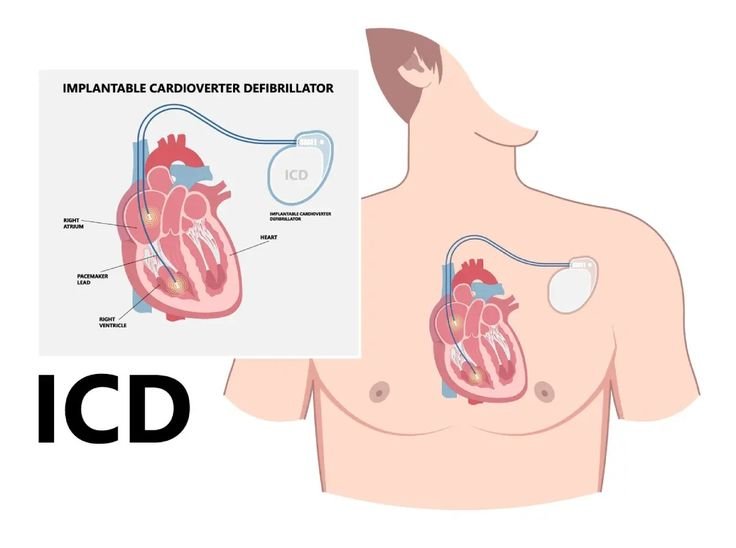
ICD implantation is a specialized cardiac procedure used to prevent sudden cardiac death by treating life-threatening heart rhythm disturbances. An Implantable Cardioverter Defibrillator (ICD) is a small electronic device placed under the skin, usually near the chest, that continuously monitors the heart’s rhythm. When it detects a dangerously abnormal rhythm, it delivers electrical therapy to restore a normal heartbeat. This procedure is commonly recommended for patients at risk of severe Arrhythmia, particularly those prone to ventricular tachycardia or ventricular fibrillation. ICD implantation is a highly effective life-saving intervention that provides continuous protection.
ICD implantation is advised for individuals who have experienced or are at high risk of serious heart rhythm disorders. These conditions may result from previous heart attacks, weakened heart muscle (cardiomyopathy), genetic heart conditions, or advanced heart disease. Patients with reduced heart pumping function or a history of sudden cardiac arrest are also strong candidates for this device. Identifying high-risk patients early is essential for preventing fatal cardiac events.
Patients who may require an ICD often experience symptoms related to abnormal heart rhythms. These include palpitations, dizziness, fainting (syncope), shortness of breath, or sudden loss of consciousness. In some cases, individuals may not have clear symptoms but are identified as high risk through diagnostic testing. Because life-threatening arrhythmias can occur without warning, preventive implantation is sometimes recommended even in asymptomatic patients.
Before ICD implantation, a comprehensive evaluation is conducted to assess heart function and rhythm abnormalities. This may include ECG, Holter monitoring, echocardiography, and other advanced cardiac tests. These investigations help determine the severity of the condition and confirm the need for an ICD. The evaluation also ensures that the device is appropriately suited to the patient’s specific cardiac profile.
ICD implantation is a minimally invasive procedure performed under local anesthesia. A small incision is made near the chest, and the device is placed under the skin. Leads are guided through blood vessels into the heart and connected to the ICD. The device continuously monitors the heart’s rhythm and delivers therapies such as pacing or electrical shocks when abnormal rhythms are detected. This immediate response helps prevent life-threatening complications and stabilizes the heart.
After ICD implantation, patients are monitored and usually discharged within a short period. It is important to follow medical advice, including avoiding heavy physical activity and limiting arm movement initially. Regular follow-up visits are required to check device function, battery status, and heart rhythm data. Most patients can resume normal daily activities and experience improved confidence knowing they are protected from sudden cardiac events.
ICD implantation is generally safe, but some risks may be associated with the procedure. These include infection at the implantation site, bleeding, or complications related to the leads. In rare cases, inappropriate shocks or device malfunction may occur. With proper monitoring and follow-up, these risks are minimized, and the benefits of the device far outweigh potential complications.
You should consult a doctor if you experience symptoms such as unexplained fainting, palpitations, or dizziness, especially if you have a history of heart disease. Individuals with reduced heart function or a previous cardiac event should undergo regular evaluation to assess their risk. Timely ICD implantation can be life-saving, providing continuous monitoring and immediate treatment for dangerous heart rhythm disturbances.

WhatsApp us