

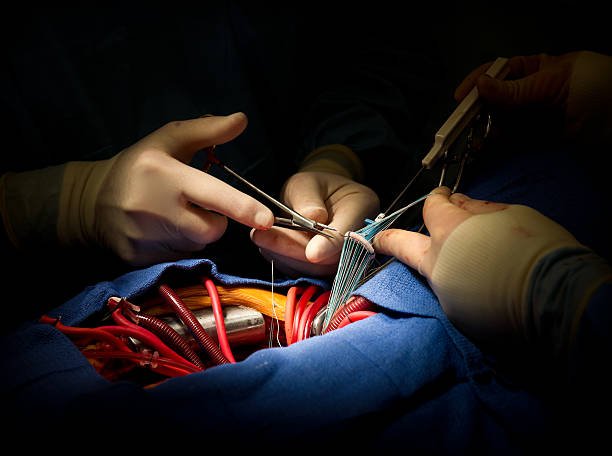
Graft Angioplasty is a minimally invasive interventional cardiology procedure performed to restore blood flow in bypass grafts that have become narrowed or blocked after coronary artery bypass graft (CABG) surgery. Over time, vein or artery grafts used during bypass surgery can develop plaque buildup, reducing blood supply to the heart muscle and causing chest pain or other cardiac symptoms. Graft angioplasty uses a balloon catheter, often combined with the placement of a stent, to widen the narrowed graft and improve circulation. This procedure helps relieve symptoms, improve heart function, and reduce the risk of heart attack while avoiding the need for repeat open-heart surgery in many patients.
Patients who have previously undergone CABG surgery may require graft angioplasty if one or more bypass grafts become narrowed or blocked. This condition can occur due to the progression of atherosclerosis, scar tissue formation, or degeneration of vein grafts over time. When blood flow through the graft is restricted, patients may experience recurring angina, shortness of breath, fatigue, or signs of a heart attack. Graft angioplasty offers an effective treatment option to restore blood flow and improve cardiac health.
Graft angioplasty may be advised for patients with:
Patients with a blocked bypass graft may experience:
To determine whether graft angioplasty is required, your cardiologist performs a detailed evaluation that may include an electrocardiogram (ECG), echocardiography, stress testing, blood investigations, and coronary angiography. Coronary angiography provides a clear view of the bypass grafts and helps identify the exact location and severity of the blockage.
The procedure is carried out in a cardiac catheterization laboratory under local anesthesia and mild sedation. A thin catheter is inserted through the wrist or groin artery and carefully guided to the blocked bypass graft. A small balloon is inflated to widen the narrowed area, and a drug-eluting stent is usually implanted to maintain blood flow and reduce the chance of future blockage. The procedure generally takes between 30 minutes and two hours, depending on the complexity of the condition.
Graft angioplasty offers several important advantages, including improved blood flow to the heart, relief from chest pain, enhanced physical activity, reduced risk of heart attack, faster recovery compared to repeat bypass surgery, shorter hospital stay, and improved long-term quality of life.
Recovery is generally quick, with most patients discharged within 24 to 48 hours. Following the procedure, patients should take prescribed medications regularly, attend follow-up appointments, maintain a heart-healthy diet, exercise as advised, avoid smoking, and control diabetes, cholesterol, and blood pressure to protect the bypass grafts.
WhatsApp us