Vipanchi Heart Centre
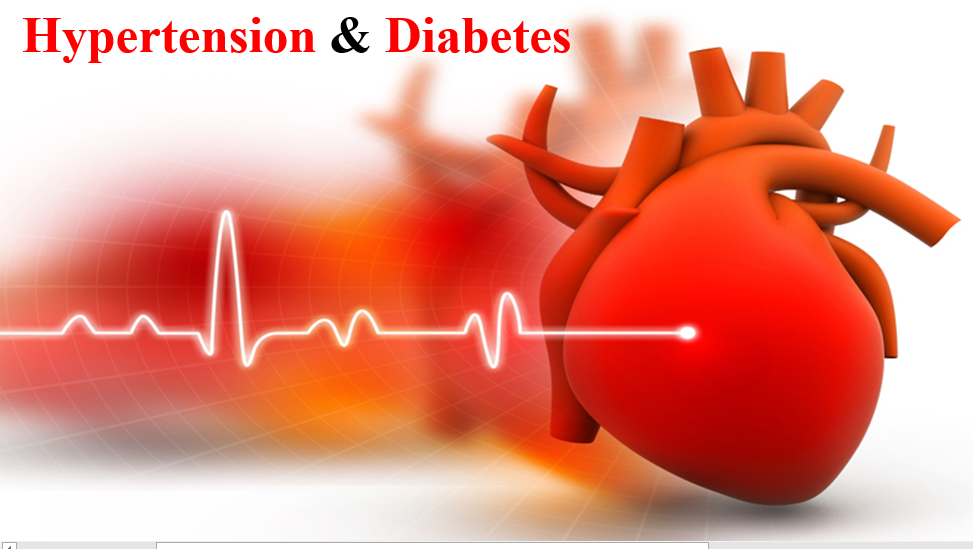
Diabetes and hypertension are two of the most common chronic health conditions affecting millions of people worldwide. Diabetes occurs when the body is unable to properly regulate blood sugar levels, while hypertension, commonly known as high blood pressure, develops when the force of blood against the artery walls remains consistently elevated. These conditions often occur together and can significantly increase the risk of heart disease, stroke, kidney damage, and other serious health complications if left untreated. Early diagnosis, lifestyle modifications, and appropriate medical management play a crucial role in maintaining overall health and preventing long-term complications.
The development of diabetes and hypertension is influenced by a combination of genetic, lifestyle, and environmental factors. Diabetes may occur due to insufficient insulin production, insulin resistance, or both. Factors such as obesity, physical inactivity, unhealthy eating habits, family history, and advancing age can increase the risk of developing diabetes. Hypertension is commonly associated with excessive salt intake, obesity, chronic stress, smoking, alcohol consumption, sedentary lifestyles, and hereditary factors. Certain medical conditions, including kidney disease, hormonal disorders, and cardiovascular diseases, may also contribute to elevated blood pressure levels. When these risk factors coexist, the likelihood of developing both conditions increases substantially.
In the early stages, both diabetes and hypertension may develop silently without causing noticeable symptoms. Individuals with diabetes may experience excessive thirst, frequent urination, increased hunger, unexplained weight loss, fatigue, blurred vision, slow-healing wounds, and recurrent infections. Hypertension often remains symptom-free for years, which is why it is frequently referred to as a “silent condition.” However, some individuals may experience headaches, dizziness, shortness of breath, chest discomfort, or visual disturbances when blood pressure becomes significantly elevated. Regular health check-ups are essential for detecting these conditions before complications arise.
Accurate diagnosis is essential for effective management of diabetes and hypertension. Diabetes is typically diagnosed through blood tests that measure fasting blood sugar levels, post-meal glucose levels, HbA1c levels, and, in some cases, glucose tolerance tests. Hypertension is diagnosed by measuring blood pressure on multiple occasions to confirm consistently elevated readings. Additional investigations may include kidney function tests, lipid profile assessments, urine analysis, electrocardiograms (ECG), and other cardiovascular evaluations to assess overall health and identify any associated complications. Comprehensive diagnostic assessments help physicians develop personalized treatment plans for each patient.
The treatment of diabetes and hypertension focuses on controlling blood sugar levels and blood pressure while reducing the risk of complications. Lifestyle modifications form the foundation of treatment and include maintaining a balanced diet, engaging in regular physical activity, achieving a healthy weight, limiting salt intake, avoiding tobacco use, and reducing alcohol consumption. Depending on the severity of the condition, medications may be prescribed to regulate blood glucose levels, improve insulin function, or control blood pressure. Regular monitoring and periodic adjustments to treatment plans help ensure optimal disease management and long-term health outcomes.
Long-term management is essential for individuals living with diabetes and hypertension. Patients are encouraged to adhere to prescribed medications, attend regular follow-up appointments, and monitor their blood sugar and blood pressure levels as recommended by their physician. Maintaining a heart-healthy lifestyle, managing stress effectively, getting adequate sleep, and following dietary recommendations can significantly improve overall health. Routine screening for eye, kidney, nerve, and cardiovascular health is also important to detect any complications at an early stage and provide timely intervention.
If not properly controlled, diabetes and hypertension can lead to serious and potentially life-threatening complications. Diabetes can damage blood vessels and nerves, increasing the risk of heart disease, stroke, kidney failure, vision loss, and diabetic neuropathy. Hypertension can place excessive strain on the heart and arteries, leading to heart attacks, heart failure, stroke, kidney disease, and vascular damage. When both conditions coexist, the risk of cardiovascular complications rises significantly. Early diagnosis, consistent treatment, and ongoing medical supervision are critical in minimizing these risks and preserving long-term health.
Medical evaluation should be sought if you experience symptoms such as excessive thirst, frequent urination, persistent fatigue, unexplained weight changes, blurred vision, recurrent infections, severe headaches, dizziness, chest pain, shortness of breath, or consistently elevated blood pressure readings. Individuals with a family history of diabetes, hypertension, or cardiovascular disease should undergo regular health screenings even in the absence of symptoms. Prompt consultation with a healthcare professional allows for early diagnosis, effective treatment, and prevention of serious complications, helping patients maintain a healthier and more active life.

MBBS, MD (General Medicine)
WhatsApp us