Vipanchi Heart Centre
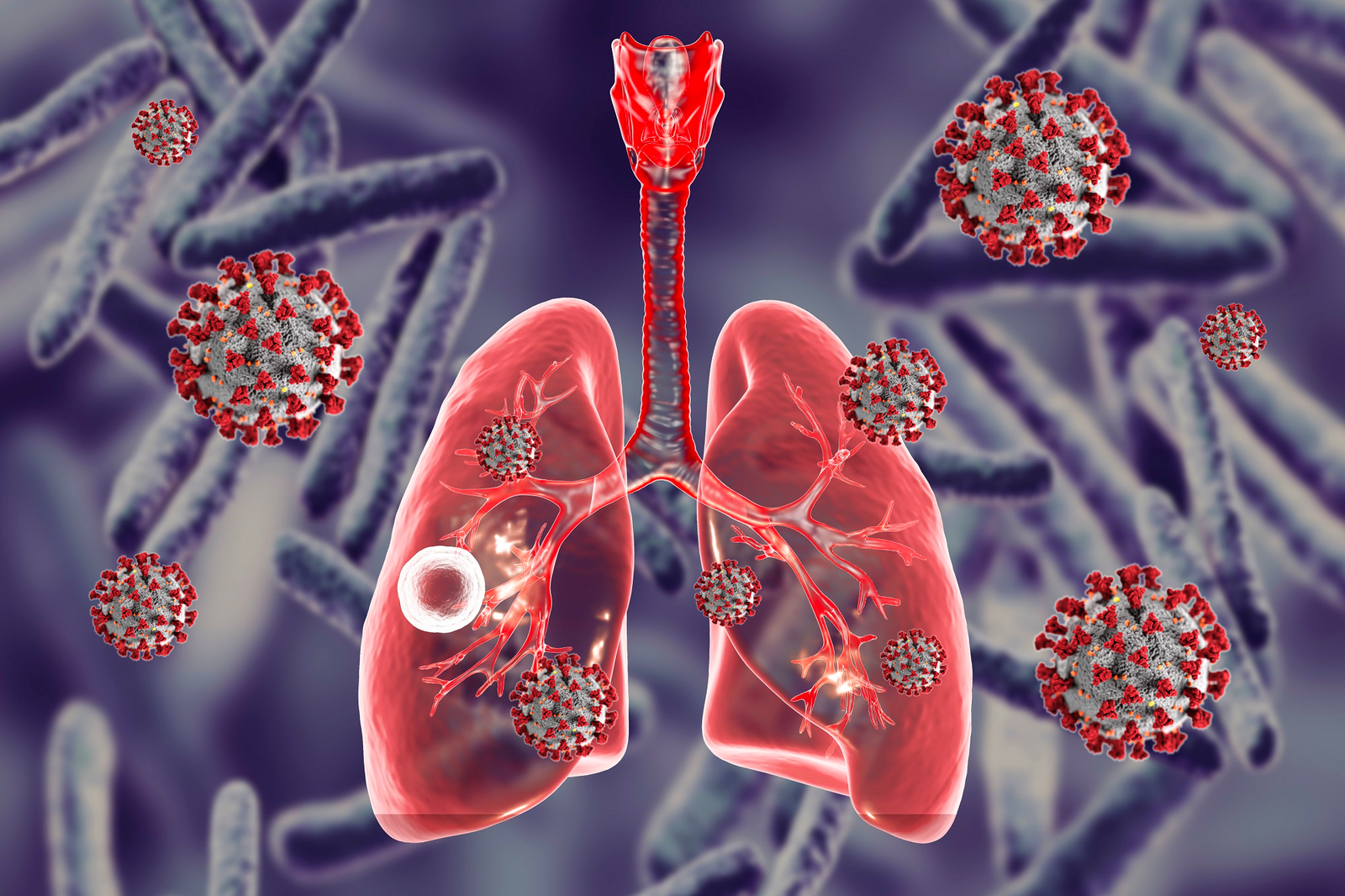
Tuberculosis (TB) and COVID-19 are infectious respiratory diseases that can significantly impact lung health and overall well-being. While tuberculosis is caused by the bacterium Mycobacterium tuberculosis, COVID-19 is caused by the SARS-CoV-2 virus. Both conditions primarily affect the lungs and can spread from person to person through respiratory droplets. Although they are caused by different organisms, TB and COVID-19 may present with similar symptoms, making timely medical evaluation and accurate diagnosis essential. Early detection and appropriate treatment play a crucial role in preventing complications, reducing transmission, and improving recovery outcomes.
Tuberculosis develops when a person becomes infected with Mycobacterium tuberculosis, usually through inhaling airborne droplets released when an infected individual coughs, sneezes, or speaks. The risk of TB is higher in individuals with weakened immune systems, malnutrition, diabetes, or prolonged exposure to infected persons.
COVID-19 is caused by infection with the SARS-CoV-2 virus. The virus spreads through respiratory droplets, close contact with infected individuals, and, in some cases, contaminated surfaces. Crowded environments, poor ventilation, and lack of preventive measures can increase the likelihood of infection. Individuals with chronic medical conditions, older adults, and those with compromised immunity are more vulnerable to severe illness.
Tuberculosis often develops gradually and may cause a persistent cough lasting more than two weeks, chest pain, coughing up blood, unexplained weight loss, fatigue, fever, night sweats, and loss of appetite. Symptoms can vary depending on the severity and location of the infection.
COVID-19 symptoms can range from mild to severe and may include fever, cough, sore throat, nasal congestion, fatigue, body aches, headache, shortness of breath, and loss of taste or smell. Some individuals may experience gastrointestinal symptoms such as nausea or diarrhea. In severe cases, COVID-19 can lead to breathing difficulties and pneumonia requiring urgent medical care.
Accurate diagnosis is essential because TB and COVID-19 can present with overlapping respiratory symptoms. Tuberculosis is commonly diagnosed through medical history evaluation, physical examination, chest imaging, sputum analysis, and specialized laboratory tests that detect the bacteria.
COVID-19 is diagnosed using viral detection tests such as RT-PCR or rapid antigen testing. Additional investigations, including blood tests and chest imaging, may be recommended to assess the severity of the infection and identify potential complications. In some cases, healthcare providers may test for both conditions simultaneously to ensure appropriate treatment.
Tuberculosis is treated with a combination of antibiotics taken over several months. Completing the full course of treatment is critical to eliminate the infection, prevent relapse, and reduce the risk of drug-resistant TB. Regular monitoring helps ensure treatment effectiveness and patient safety.
Treatment for COVID-19 depends on the severity of the illness. Mild cases may be managed with rest, hydration, symptom-relieving medications, and home isolation. Moderate to severe cases may require antiviral medications, oxygen therapy, hospitalization, or intensive care support. Patients with underlying health conditions often require closer monitoring throughout their recovery.
Recovery from TB or COVID-19 may take time, particularly in individuals who have experienced significant lung involvement. Follow-up consultations help monitor healing, assess lung function, and identify any persistent symptoms. Maintaining a healthy diet, staying physically active as advised by the physician, getting adequate rest, and avoiding smoking can support recovery.
Patients recovering from TB should continue attending scheduled follow-up appointments to confirm complete resolution of the infection. Those recovering from COVID-19 may benefit from pulmonary rehabilitation and gradual return to daily activities if they experience lingering fatigue or breathing difficulties.
If left untreated, tuberculosis can cause extensive lung damage and may spread to other organs such as the brain, kidneys, or spine. Drug-resistant tuberculosis can develop when treatment is interrupted or not completed properly, making management more challenging.
COVID-19 can lead to serious complications, including pneumonia, respiratory failure, blood clotting disorders, heart complications, and long-term post-viral symptoms. Individuals with pre-existing medical conditions, elderly patients, and those with weakened immune systems are at greater risk of severe disease and prolonged recovery.
Medical attention should be sought if you experience a persistent cough lasting more than two weeks, unexplained fever, weight loss, chest pain, difficulty breathing, coughing up blood, or prolonged fatigue. Individuals who have been exposed to someone diagnosed with TB or COVID-19 should also seek medical evaluation, especially if symptoms develop.
Prompt consultation with a healthcare professional is important for early diagnosis, effective treatment, and prevention of complications. At Vipanchi Heart Centre, we provide comprehensive evaluation, accurate diagnosis, and personalized care to help patients recover safely and maintain optimal respiratory health.

MBBS, MD (General Medicine)
WhatsApp us