
Vipanchi Heart Centre
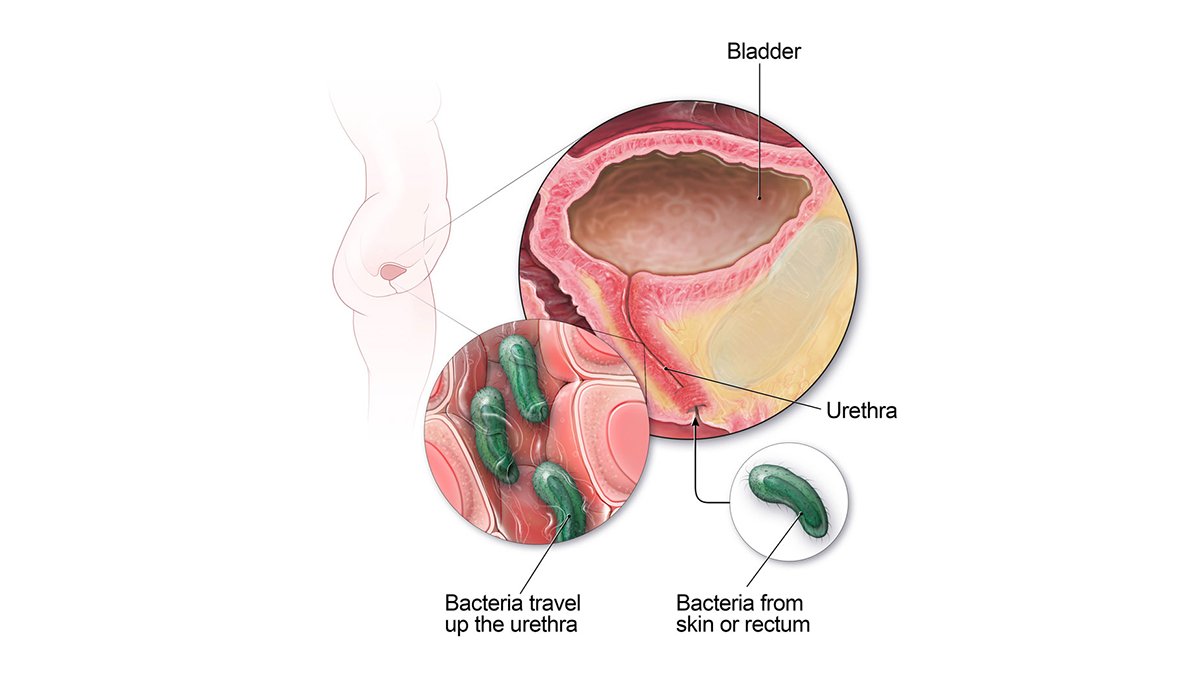
Urinary Tract Infections (UTIs) are among the most common bacterial infections affecting people of all ages. A UTI occurs when harmful bacteria enter the urinary system, which includes the kidneys, ureters, bladder, and urethra. Most infections involve the lower urinary tract, particularly the bladder and urethra, but if left untreated, they can spread to the kidneys and cause more serious health complications. UTIs are more common in women due to anatomical factors, but men, children, and older adults can also develop these infections. Early diagnosis and appropriate treatment are important to prevent discomfort and reduce the risk of recurrent infections.
Urinary Tract Infections are most commonly caused by bacteria, particularly Escherichia coli (E. coli), which normally reside in the digestive tract. These bacteria can enter the urinary tract through the urethra and multiply within the bladder. Several factors may increase the risk of developing a UTI, including poor hydration, urinary retention, kidney stones, diabetes, weakened immunity, and urinary tract abnormalities. Women may be more susceptible due to their shorter urethra, while older adults and individuals using urinary catheters also face a higher risk. Certain lifestyle factors and hormonal changes can further contribute to the development of infections.
The symptoms of a Urinary Tract Infection can vary depending on the location and severity of the infection. Common signs include a strong and persistent urge to urinate, a burning sensation during urination, passing small amounts of urine frequently, and cloudy or strong-smelling urine. Some individuals may notice blood in the urine or experience pelvic discomfort and lower abdominal pain. When the infection spreads to the kidneys, symptoms may become more severe and include fever, chills, nausea, vomiting, and pain in the back or side. Prompt medical attention is recommended whenever these symptoms occur.
Diagnosing a Urinary Tract Infection begins with a detailed evaluation of symptoms and medical history. A urine analysis is commonly performed to detect the presence of bacteria, white blood cells, or blood in the urine. In some cases, a urine culture may be recommended to identify the specific bacteria causing the infection and determine the most effective antibiotic treatment. For patients with recurrent or complicated UTIs, additional diagnostic tests such as ultrasound imaging, CT scans, or specialized urinary tract examinations may be advised to identify underlying structural or functional abnormalities.
Treatment for Urinary Tract Infections primarily involves antibiotic medications that target and eliminate the bacterial infection. The choice of antibiotic depends on the type of bacteria involved, the severity of the infection, and the patient’s overall health. Drinking plenty of fluids is encouraged to help flush bacteria from the urinary tract and support recovery. Pain-relieving medications may also be prescribed to reduce discomfort during urination. In more severe cases, particularly when the kidneys are affected, hospitalization and intravenous antibiotics may be necessary. Early treatment is highly effective and helps prevent complications.
Following treatment, patients are encouraged to maintain good hydration and healthy urinary habits to reduce the risk of recurrence. Drinking adequate amounts of water, avoiding prolonged delays in urination, and practicing proper personal hygiene can help support urinary tract health. Individuals with recurrent UTIs may require follow-up evaluations to identify and address contributing factors. Completing the full course of prescribed antibiotics, even if symptoms improve, is essential to ensure complete eradication of the infection and prevent antibiotic resistance.
If a Urinary Tract Infection is not treated promptly, it can lead to more serious complications. The infection may spread from the bladder to the kidneys, causing kidney infections that can result in permanent kidney damage in severe cases. Recurrent UTIs can affect quality of life and may indicate an underlying medical condition requiring further evaluation. In vulnerable individuals, particularly older adults and those with weakened immune systems, untreated infections may lead to bloodstream infections and other serious health concerns. Early diagnosis and proper management significantly reduce these risks.
Medical attention should be sought if symptoms of a UTI persist, worsen, or recur frequently. Individuals experiencing fever, severe back pain, blood in the urine, nausea, vomiting, or signs of dehydration should consult a doctor promptly, as these may indicate a more serious infection involving the kidneys. Pregnant women, older adults, people with diabetes, and individuals with weakened immune systems should seek medical evaluation at the earliest signs of urinary symptoms. Timely diagnosis and treatment help ensure a faster recovery and prevent long-term complications.

MBBS, MD (General Medicine)
WhatsApp us