



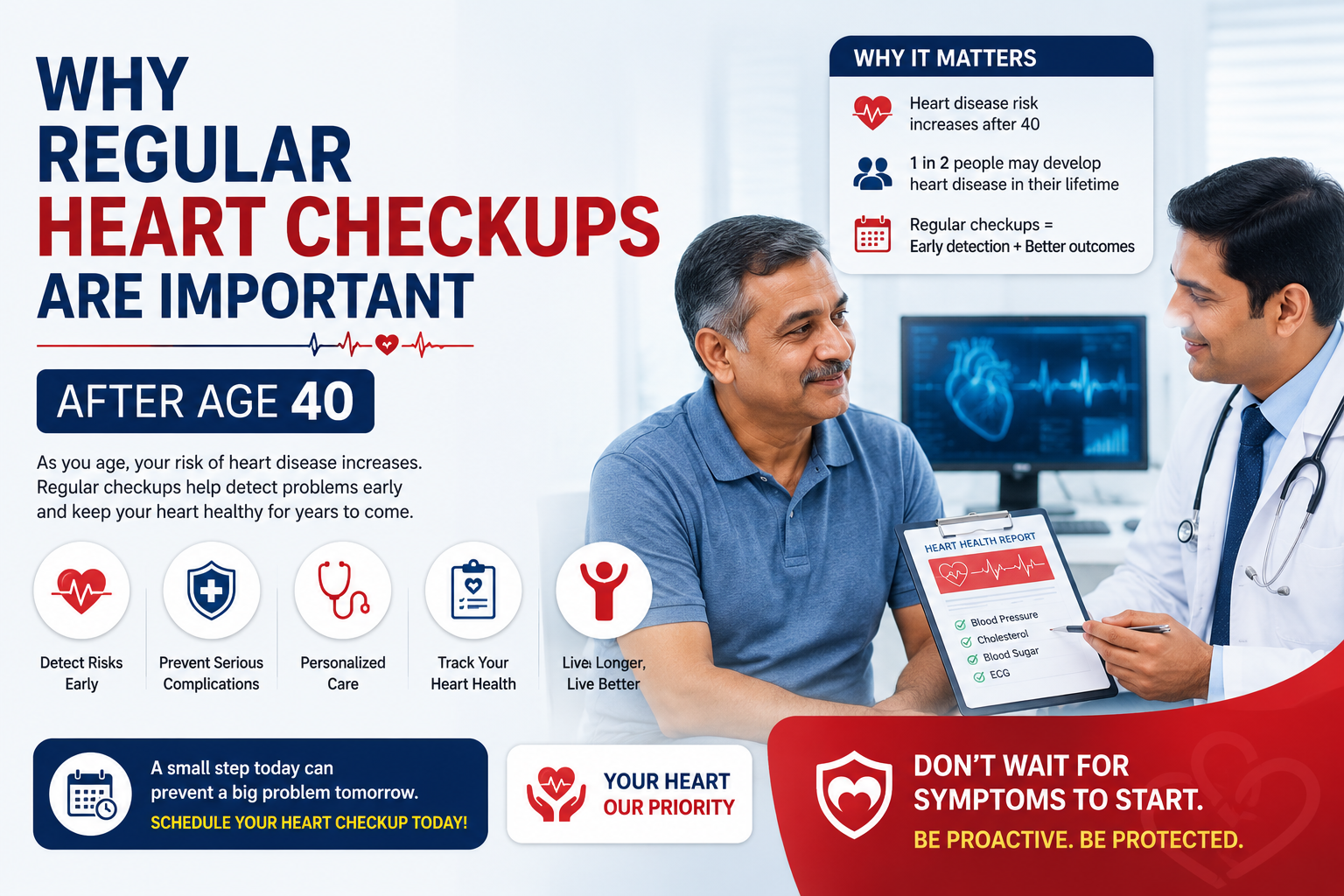
As we grow older, the risk of developing heart disease gradually increases. After the age of 40, changes in blood vessels, metabolism, and lifestyle factors can significantly impact heart health. Many heart conditions develop silently without noticeable symptoms, making regular heart checkups essential for early detection and prevention.
Why Does Heart Disease Risk Increase After 40?
Several factors contribute to an increased risk of cardiovascular disease after the age of 40, including:
- High blood pressure
- Diabetes
- High cholesterol levels
- Weight gain and obesity
- Physical inactivity
- Stress and unhealthy lifestyle habits
- Family history of heart disease
- Smoking and tobacco use
Even individuals who feel healthy may have underlying risk factors that can only be identified through routine screening.
Benefits of Regular Heart Checkups
1. Early Detection of Hidden Heart Problems
Many heart conditions develop gradually and may not show symptoms in the early stages. Regular screenings help identify issues before they become serious.
2. Monitoring Blood Pressure
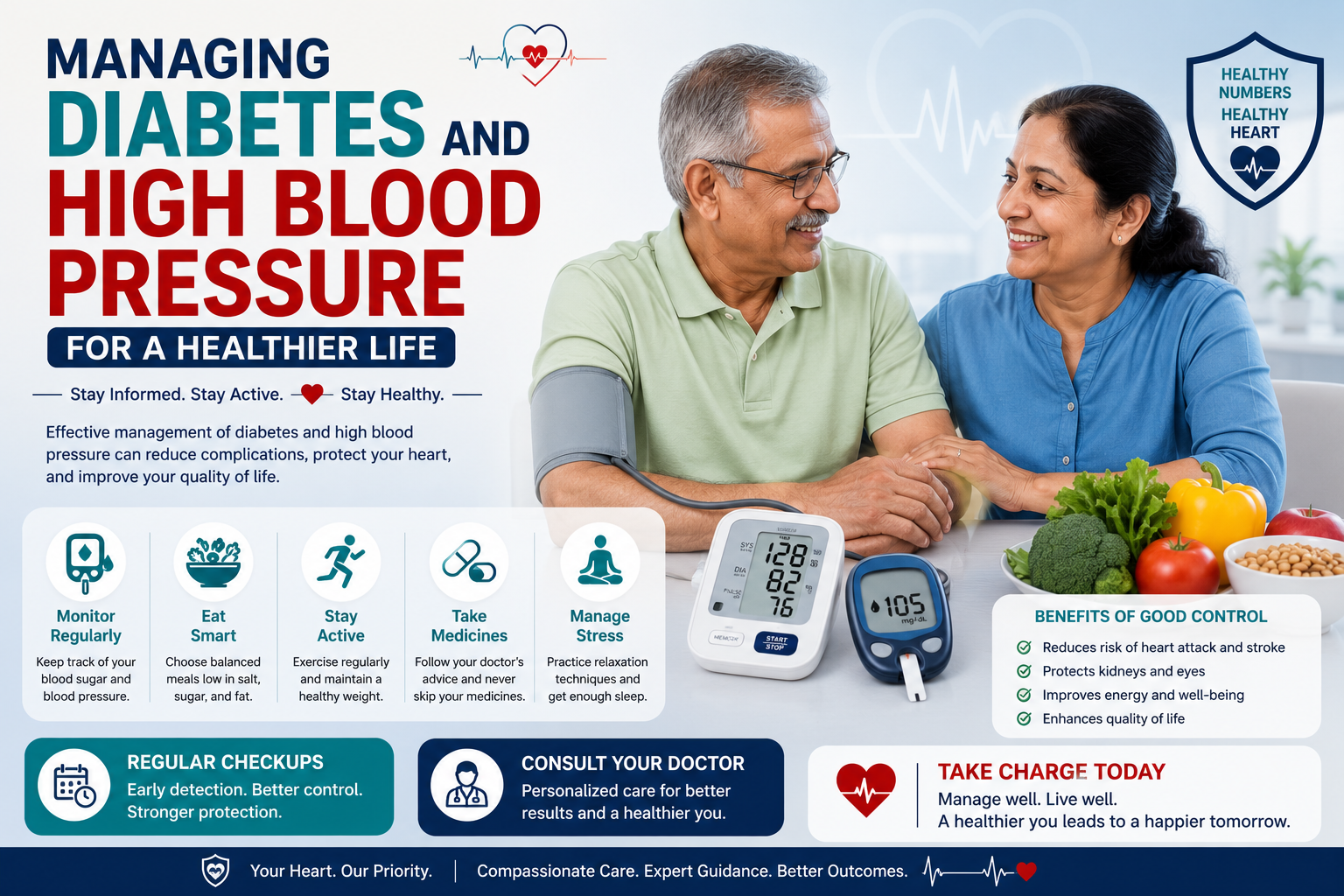
High blood pressure is often called the “silent killer” because it usually has no warning signs. Regular monitoring helps prevent complications such as heart attacks, strokes, and heart failure.
3. Cholesterol Management
Elevated cholesterol levels can lead to plaque buildup in the arteries, increasing the risk of coronary artery disease. Heart checkups help assess cholesterol levels and guide treatment if necessary.
4. Diabetes Screening
Diabetes significantly increases the risk of heart disease. Routine evaluations help detect diabetes early and ensure proper management.
5. Personalized Risk Assessment
A cardiologist can evaluate your overall cardiovascular risk based on age, medical history, family history, lifestyle, and current health status.
Recommended Heart Health Tests After 40
Depending on your health profile, your doctor may recommend:
- Blood Pressure Check
- Blood Sugar Testing
- Lipid Profile (Cholesterol Test)
- Electrocardiogram (ECG)
- 2D Echocardiography (2D Echo)
- Treadmill Test (TMT)
- Cardiac Risk Assessment
- Body Mass Index (BMI) Evaluation
These tests help provide a comprehensive understanding of your heart health.
Warning Signs You Should Not Ignore
Seek medical evaluation if you experience:
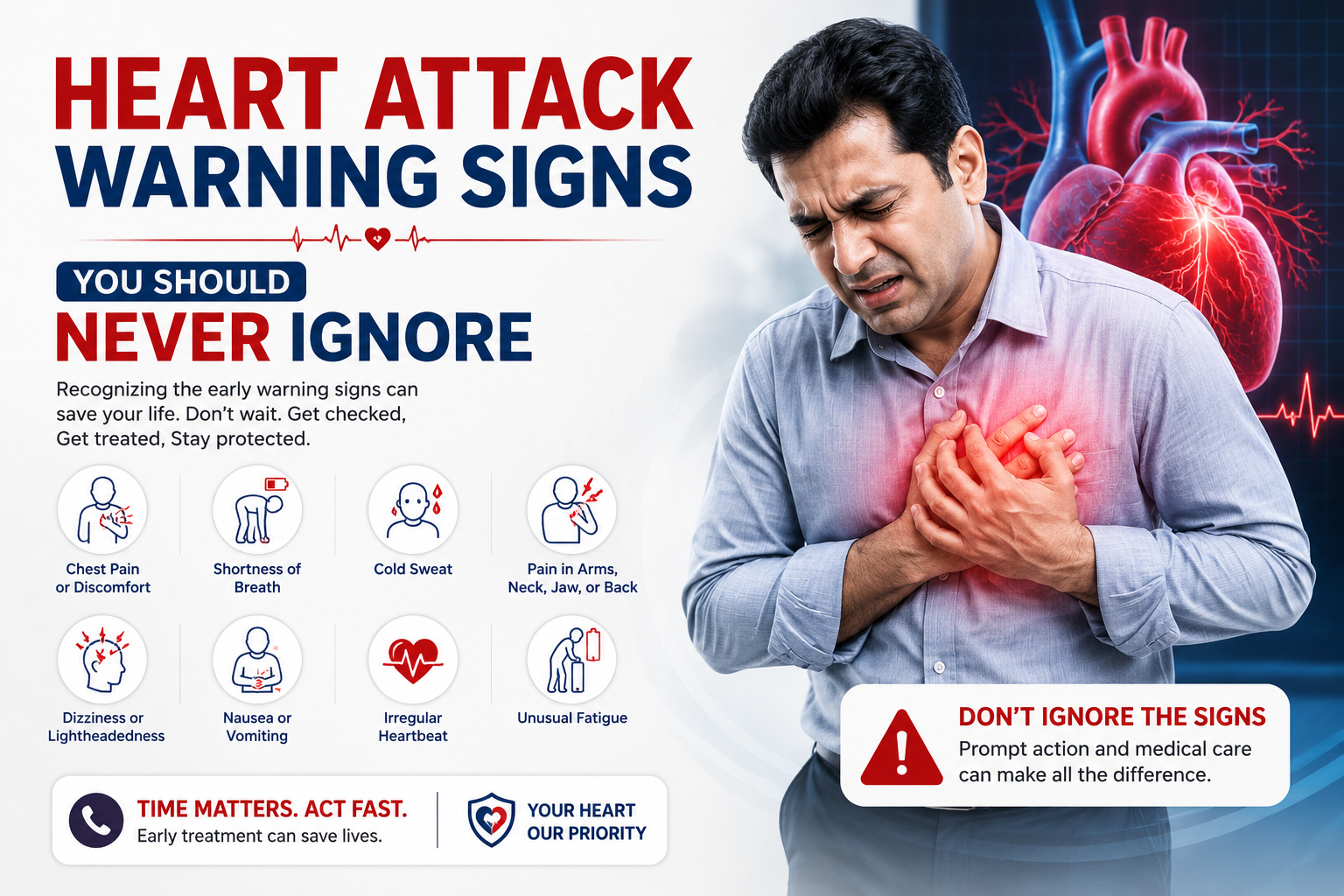
- Chest pain or discomfort
- Shortness of breath
- Palpitations
- Dizziness or fainting
- Excessive fatigue
- Swelling in the legs
- Unexplained sweating
These symptoms may indicate an underlying heart condition that requires attention.
How Often Should You Have a Heart Checkup?
For most adults above 40, an annual heart health evaluation is recommended. Individuals with diabetes, hypertension, high cholesterol, obesity, smoking history, or a family history of heart disease may require more frequent monitoring.
Tips to Maintain a Healthy Heart
- Follow a balanced and nutritious diet
- Exercise regularly
- Maintain a healthy weight
- Control blood pressure and blood sugar
- Avoid smoking and excessive alcohol consumption
- Manage stress effectively
- Get adequate sleep
- Attend regular medical checkups
Conclusion
Regular heart checkups after the age of 40 play a vital role in preventing serious cardiovascular diseases. Early detection, timely intervention, and healthy lifestyle choices can significantly reduce the risk of heart attacks, strokes, and other heart-related complications.
At Vipanchi Heart Centre & Multispeciality Clinics, we provide comprehensive heart health evaluations, preventive cardiology services, ECG, 2D Echo, TMT, and expert cardiac consultation to help you stay heart healthy for years to come. ❤️