

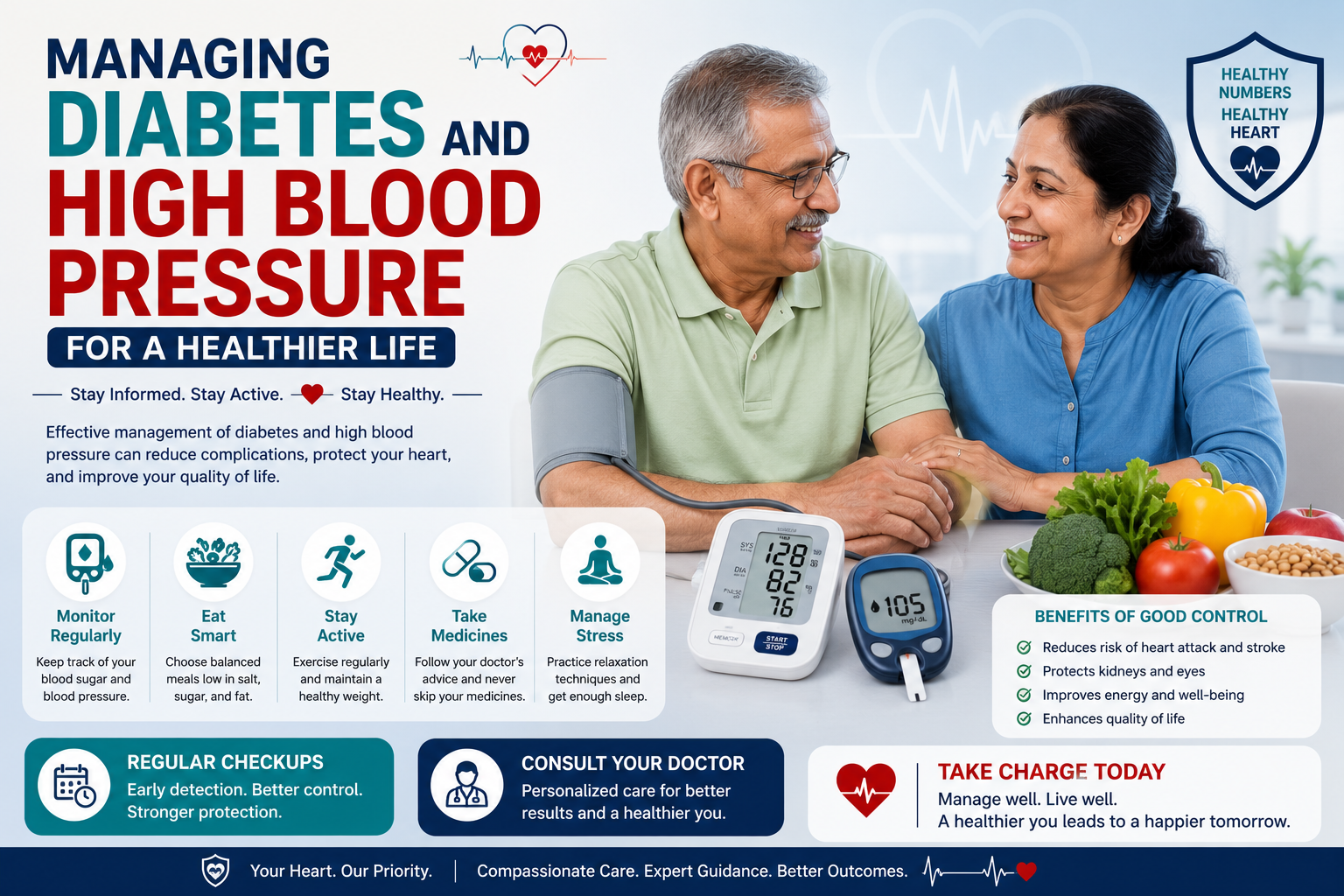
Diabetess and high blood pressure are two of the most common chronic health conditions affecting millions of people worldwide. When left uncontrolled, they can significantly increase the risk of serious complications such as heart disease, stroke, kidney disease, and vision problems. The good news is that with proper management and lifestyle changes, individuals can lead healthy and active lives.
Understanding Diabetes and High Blood Pressure
Diabetes
Diabetes occurs when the body cannot properly regulate blood sugar (glucose) levels. Over time, high blood sugar can damage blood vessels, nerves, kidneys, and other vital organs.
High Blood Pressure (Hypertension)
High blood pressure develops when the force of blood against artery walls remains consistently elevated. It often has no symptoms but can silently damage the heart, brain, kidneys, and blood vessels.
When diabetes and hypertension occur together, the risk of cardiovascular complications increases significantly.
Why Proper Management Matters
Uncontrolled diabetes and high blood pressure can lead to:
- Heart attacks
- Stroke
- Kidney disease
- Vision loss
- Nerve damage
- Peripheral artery disease
- Heart failure
Early diagnosis and consistent management can help prevent these complications and improve overall quality of life.
Key Steps to Manage Diabetes and High Blood Pressure
1. Follow a Healthy Diet
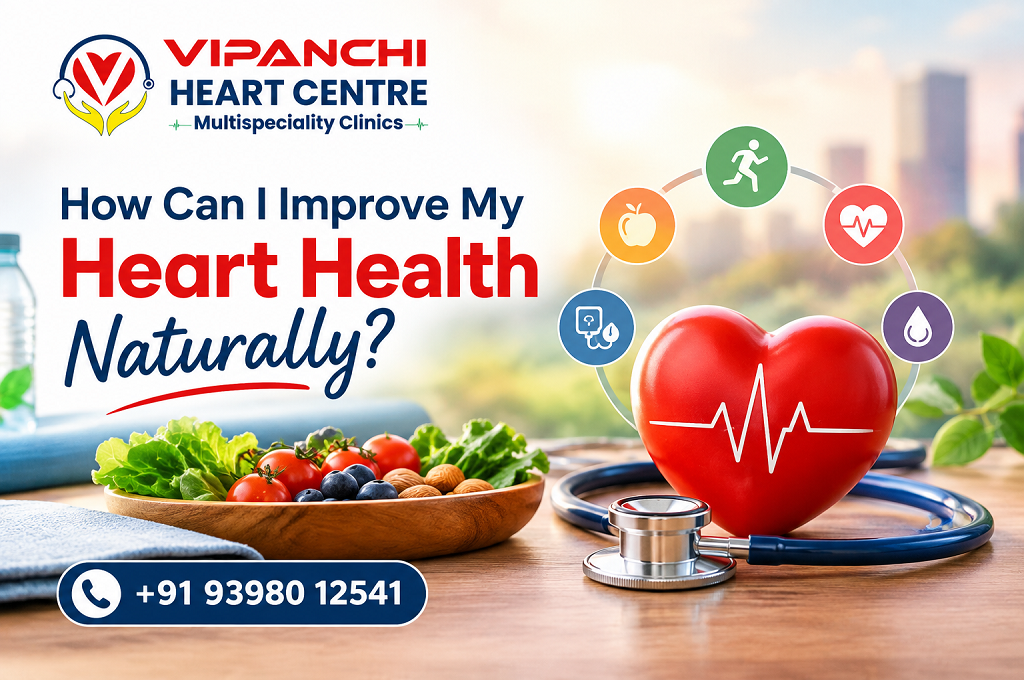
A balanced diet plays a crucial role in controlling both blood sugar and blood pressure.
Focus on:
- Fresh fruits and vegetables
- Whole grains
- Lean proteins
- Healthy fats
- Low-fat dairy products
Limit:
- Sugary foods and beverages
- Processed foods
- Excess salt intake
- Saturated and trans fats
2. Stay Physically Active
Regular exercise helps:
- Lower blood pressure
- Improve insulin sensitivity
- Maintain a healthy weight
- Strengthen the heart
Aim for at least 30 minutes of moderate physical activity on most days of the week.
3. Monitor Blood Sugar and Blood Pressure Regularly
Keeping track of your readings helps detect changes early and ensures treatment remains effective.
Regular monitoring allows healthcare providers to adjust medications and treatment plans when necessary.
4. Maintain a Healthy Weight
Even modest weight loss can improve blood sugar control and reduce blood pressure levels.
A healthy weight also decreases the risk of cardiovascular disease and other health complications.
5. Take Medications as Prescribed
Never stop or change medications without consulting your doctor.
Consistent use of prescribed medications helps:
- Control blood sugar levels
- Manage blood pressure
- Prevent long-term complications
6. Manage Stress Effectively
Chronic stress can negatively affect both blood sugar and blood pressure.
Helpful stress management techniques include:
- Meditation
- Deep breathing exercises
- Yoga
- Adequate sleep
- Relaxation activities
7. Avoid Smoking and Excess Alcohol
Smoking damages blood vessels and significantly increases the risk of heart disease and stroke.
Limiting alcohol intake can also help maintain healthy blood pressure levels.
Warning Signs That Require Medical Attention
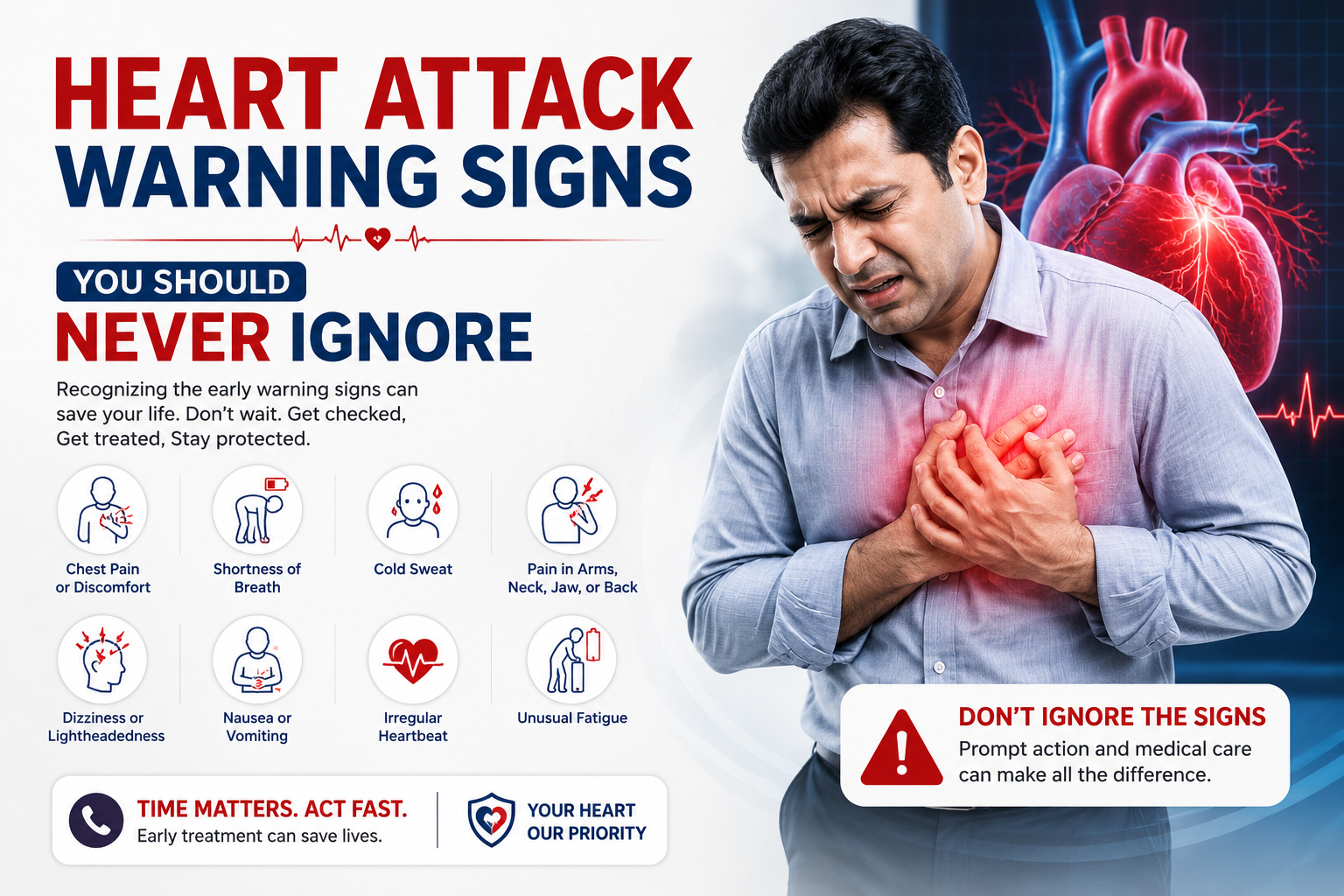
Consult your doctor if you experience:
- Persistent headaches
- Dizziness
- Chest discomfort
- Shortness of breath
- Swelling in the legs
- Blurred vision
- Unexplained fatigue
- Frequent urination or excessive thirst
Early medical intervention can prevent serious complications.
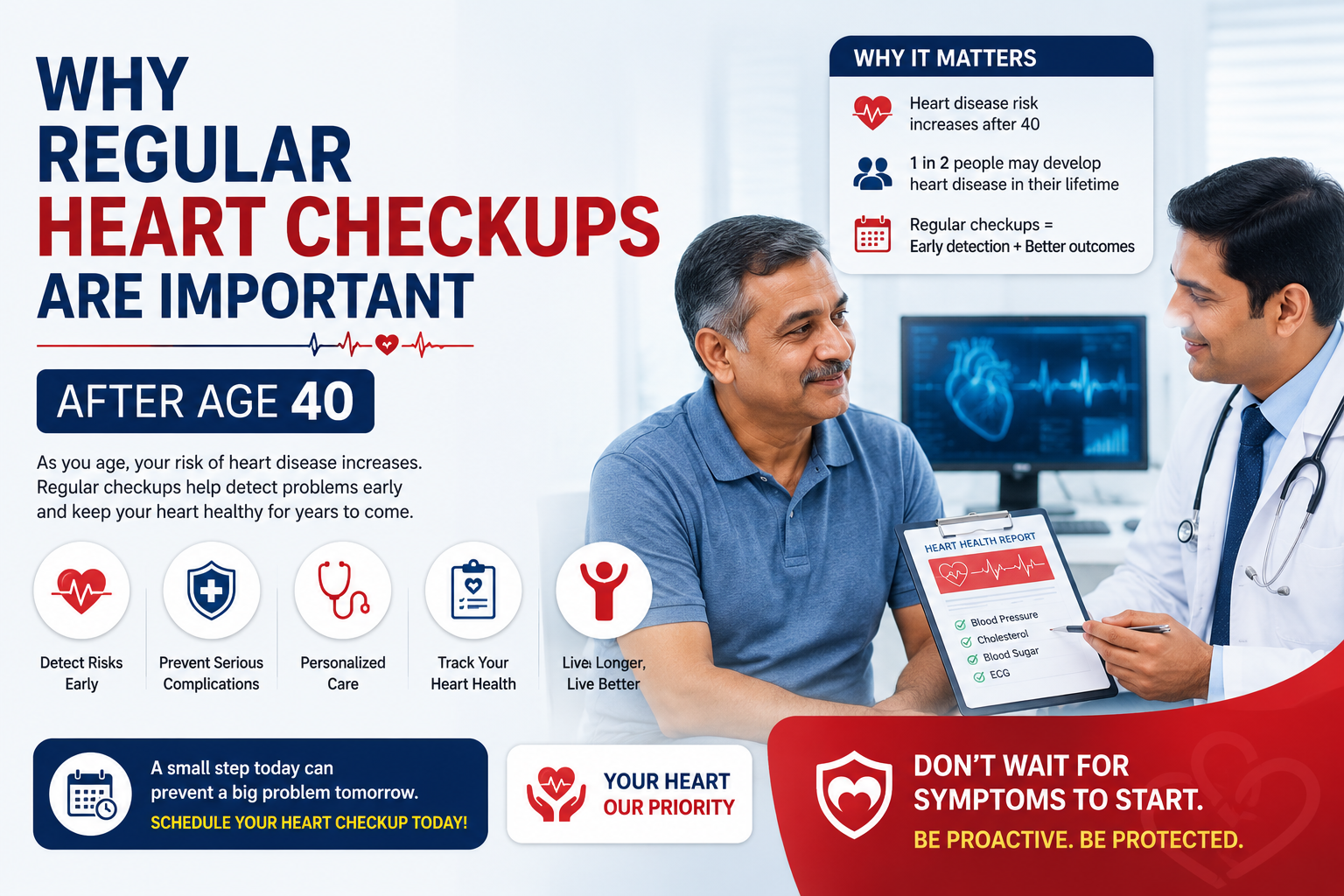
Regular Health Checkups Are Essential
Routine medical evaluations help monitor:
- Blood pressure levels
- Blood sugar levels
- Cholesterol profile
- Kidney function
- Heart health
Regular checkups allow doctors to detect problems early and provide timely treatment.
Conclusion
Managing diabetes and high blood pressure requires a combination of healthy lifestyle choices, regular monitoring, medication adherence, and ongoing medical care. With proper management, individuals can significantly reduce their risk of complications and enjoy a healthier, more active life.
At Vipanchi Heart Centre & Multispeciality Clinics, we provide comprehensive care for diabetes, hypertension, preventive health screening, and cardiovascular risk assessment to help you achieve long-term health and well-being. ❤️