

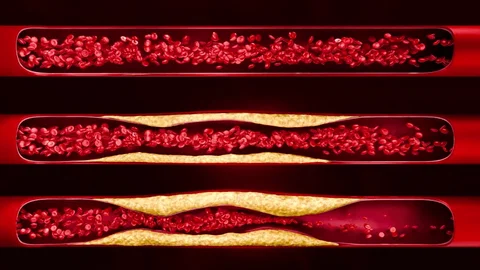
Atherosclerosis is a progressive condition in which fatty deposits, cholesterol, and other substances accumulate within the walls of arteries, forming plaques that restrict blood flow. Over time, these plaques can harden and narrow the arteries, reducing oxygen supply to vital organs such as the heart, brain, and limbs. This condition develops silently over many years and is a leading cause of serious cardiovascular events, including heart attacks and strokes. Early identification and appropriate management are essential to prevent complications and maintain long-term heart health.
The development of atherosclerosis is influenced by a combination of lifestyle factors, medical conditions, and genetic predisposition. High levels of LDL cholesterol, often referred to as “bad cholesterol,” play a central role in plaque formation. Other contributing factors include high blood pressure, smoking, diabetes, obesity, and a sedentary lifestyle. Chronic inflammation within the arterial walls further accelerates the process. In some individuals, a family history of cardiovascular disease may increase susceptibility, even in the absence of obvious risk factors.
Atherosclerosis may not cause noticeable symptoms in its early stages. As the condition progresses and arteries become significantly narrowed, symptoms begin to appear depending on the affected area. When the heart’s arteries are involved, patients may experience chest pain or discomfort, known as angina. Reduced blood flow to the brain can lead to symptoms such as dizziness, weakness, or even transient ischemic attacks. In the limbs, particularly the legs, patients may notice pain during walking, known as claudication. In severe cases, sudden blockage of blood flow can result in life-threatening emergencies like heart attack or stroke.
Diagnosing atherosclerosis involves a thorough clinical evaluation combined with advanced diagnostic testing. A cardiologist will assess medical history, lifestyle factors, and physical findings such as blood pressure and pulse abnormalities. Blood tests are commonly used to measure cholesterol levels and assess risk. Imaging studies, including electrocardiograms, echocardiography, and stress tests, help evaluate heart function. More detailed visualization of arteries may be achieved through CT angiography or coronary angiography, which allows precise identification of blockages and their severity.
Management of atherosclerosis focuses on slowing disease progression, relieving symptoms, and preventing complications. Lifestyle modifications form the foundation of treatment, including adopting a heart-healthy diet, engaging in regular physical activity, quitting smoking, and maintaining a healthy weight. Medications may be prescribed to control cholesterol levels, blood pressure, and blood sugar, as well as to prevent clot formation. In cases where arterial blockage is significant, interventional procedures such as angioplasty with stent placement or surgical bypass may be recommended to restore adequate blood flow.
Long-term care after treatment is essential to ensure sustained cardiovascular health and prevent recurrence. Patients are encouraged to follow prescribed medications consistently and attend regular follow-up consultations. Lifestyle changes remain critical, including adherence to dietary guidelines, regular exercise, and stress management. Monitoring of blood pressure, cholesterol, and blood sugar levels helps in early detection of any changes. Cardiac rehabilitation programs may also be beneficial, providing structured support for recovery and overall wellness.
If left untreated, atherosclerosis can lead to serious and potentially life-threatening complications. Progressive narrowing of arteries increases the risk of heart attack, stroke, and peripheral artery disease. Plaque rupture can trigger the formation of blood clots, abruptly blocking blood flow to critical organs. Chronic reduced circulation may also result in organ damage over time. The severity of complications often depends on the extent of arterial involvement and the presence of other underlying conditions.
It is important to seek medical attention if you experience symptoms such as chest discomfort, shortness of breath, unexplained fatigue, dizziness, or pain in the legs during activity. Individuals with risk factors like diabetes, high blood pressure, or a family history of heart disease should consider regular cardiac evaluations, even in the absence of symptoms. Early consultation with a cardiologist can lead to timely diagnosis and effective management, significantly reducing the risk of serious complications and improving quality of life.
WhatsApp us