

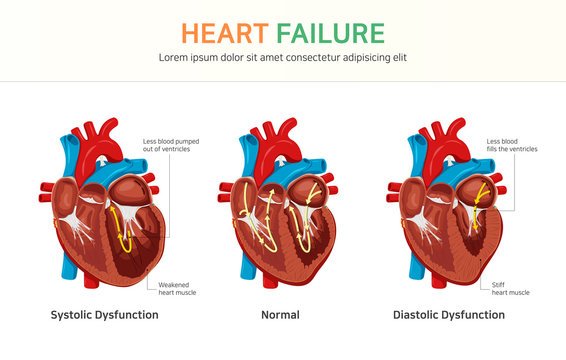
Heart failure is a chronic medical condition in which the heart is unable to pump blood effectively to meet the body’s needs. It does not mean that the heart has stopped working, but rather that its pumping efficiency is reduced. Over time, this can lead to a buildup of fluid in the lungs and other parts of the body, affecting overall health and quality of life. Heart failure can develop gradually or suddenly, and early recognition plays a key role in effective management and improved outcomes.
Heart failure often develops as a result of underlying cardiovascular conditions that damage or weaken the heart. The most common cause is coronary artery disease, where narrowed arteries reduce blood flow to the heart muscle. Long-standing high blood pressure can also strain the heart, causing it to thicken or weaken over time. Other contributing factors include previous heart attacks, valve disorders, cardiomyopathy, diabetes, obesity, and certain infections or genetic conditions. Lifestyle factors such as smoking, poor diet, and lack of physical activity can further increase the risk.
The symptoms of heart failure can vary depending on its severity and progression. Common signs include shortness of breath during activity or while lying down, persistent fatigue, and reduced ability to exercise. Patients may notice swelling in the legs, ankles, or abdomen due to fluid retention. Other symptoms include rapid or irregular heartbeat, persistent cough or wheezing, sudden weight gain from fluid buildup, and a feeling of fullness or loss of appetite. These symptoms often develop gradually but should not be ignored.
Diagnosing heart failure involves a comprehensive clinical evaluation along with diagnostic tests to assess heart function. A detailed medical history and physical examination are followed by tests such as electrocardiogram (ECG), echocardiogram, and chest X-ray. Blood tests can help detect underlying causes and assess organ function. In some cases, advanced imaging like cardiac MRI or stress testing may be recommended. Early and accurate diagnosis allows for timely treatment and better long-term management.
Treatment for heart failure is aimed at improving heart function, relieving symptoms, and slowing disease progression. Medications play a central role and may include drugs that reduce blood pressure, remove excess fluid, and improve heart efficiency. Lifestyle modifications such as a low-sodium diet, regular physical activity, weight management, and quitting smoking are essential components of care. In certain cases, advanced therapies such as implantable devices like pacemakers or defibrillators may be recommended. For severe cases, surgical interventions or heart transplantation may be considered.
Ongoing care is crucial in managing heart failure effectively. Patients are advised to adhere strictly to prescribed medications and attend regular follow-up appointments. Monitoring daily weight, maintaining a heart-healthy diet, and limiting salt and fluid intake can help prevent symptom worsening. Structured exercise programs and cardiac rehabilitation may improve functional capacity and overall well-being. Education about recognizing early warning signs empowers patients to seek timely medical attention and avoid complications.
If not properly managed, heart failure can lead to serious complications. These may include worsening kidney function, liver congestion, irregular heart rhythms, and increased risk of stroke. Fluid accumulation in the lungs can cause severe breathing difficulties, while progressive weakening of the heart may reduce overall survival. Recurrent hospitalizations are common in advanced stages. However, with appropriate treatment and lifestyle changes, many patients can lead stable and productive lives.
It is important to seek medical attention if you experience persistent shortness of breath, swelling in the legs, unexplained fatigue, or sudden weight gain. Immediate care is required if symptoms such as severe breathlessness, chest pain, fainting, or a rapid heartbeat occur. Early consultation with a cardiologist can help identify the condition in its initial stages, allowing for timely intervention and better long-term outcomes.
WhatsApp us