

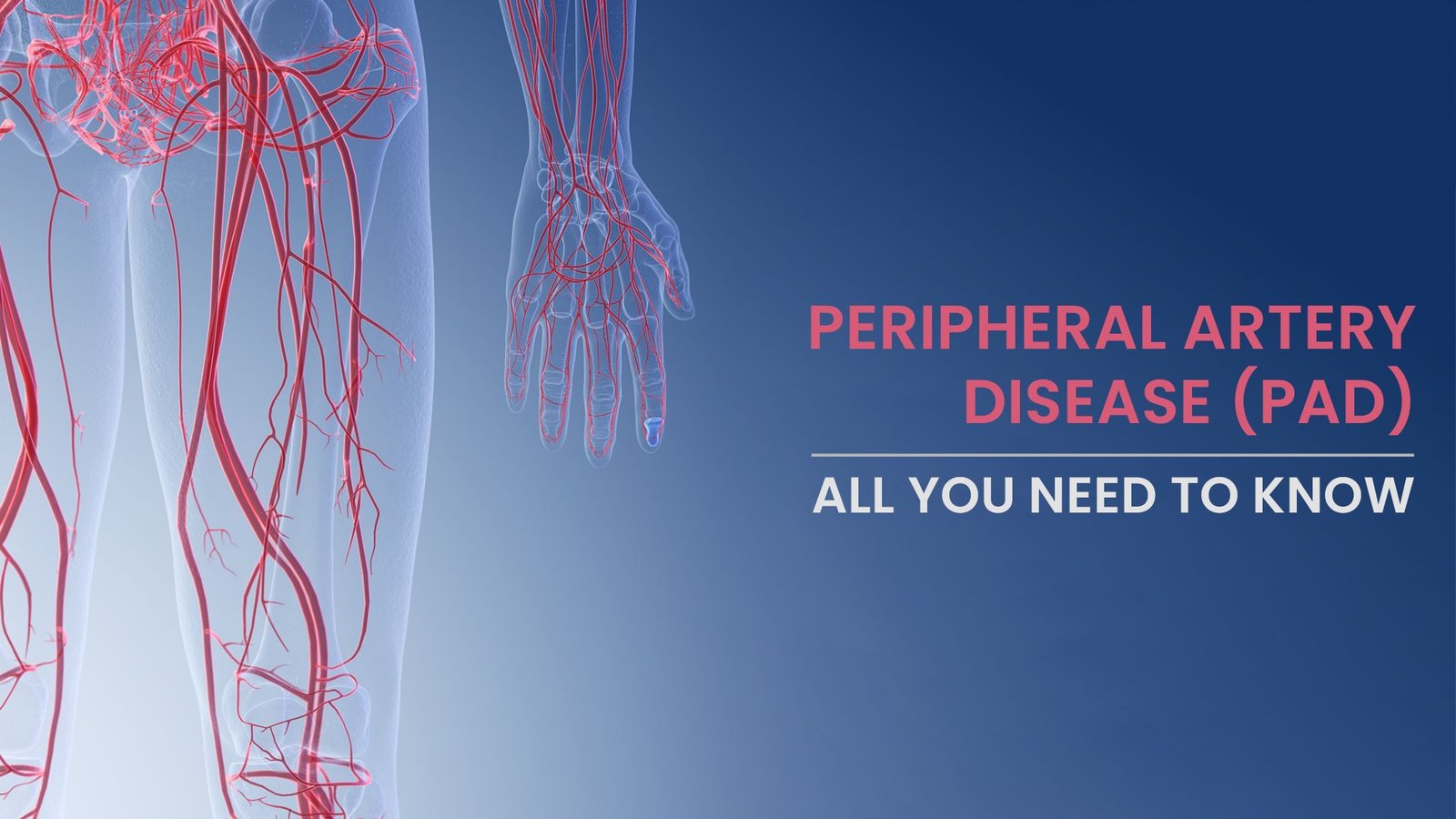
Peripheral Artery Disease (PAD) is a common circulatory condition in which the arteries that supply blood to the limbs, most often the legs, become narrowed or blocked. This reduced blood flow is usually the result of fatty deposits building up in the arterial walls, a process known as atherosclerosis. As circulation decreases, the muscles and tissues in the legs may not receive enough oxygen, particularly during physical activity. PAD is not only a cause of leg discomfort but also an important warning sign of widespread vascular disease, increasing the risk of heart attack and stroke if left untreated.
The primary cause of PAD is atherosclerosis, where cholesterol, fat, and other substances accumulate within the arteries and restrict blood flow. Several factors contribute to this condition, including smoking, diabetes, high blood pressure, and high cholesterol levels. Aging also plays a role, as arteries naturally lose elasticity over time. A sedentary lifestyle, obesity, and a family history of cardiovascular disease further increase the likelihood of developing PAD. In some cases, inflammation of blood vessels or injury to the limbs may also contribute to arterial narrowing.
Peripheral Artery Disease often develops gradually, and early stages may not present noticeable symptoms. As the condition progresses, patients commonly experience leg pain or cramping during walking or exercise, a symptom known as intermittent claudication. This discomfort typically subsides with rest. Other signs include numbness or weakness in the legs, coldness in the lower leg or foot, slow-healing wounds on the toes or feet, and changes in skin color or texture. In advanced cases, patients may experience persistent pain even at rest, indicating more severe restriction of blood flow.
Diagnosis of PAD involves a combination of clinical evaluation and specialized tests. A cardiologist will begin with a thorough medical history and physical examination, checking for reduced pulses in the legs and signs of poor circulation. One of the most common and effective tests is the Ankle-Brachial Index (ABI), which compares blood pressure in the ankle with that in the arm. Additional imaging studies such as Doppler ultrasound, CT angiography, or MR angiography may be used to visualize blood flow and identify the location and severity of arterial blockages. Early and accurate diagnosis is essential to prevent complications.
The treatment of Peripheral Artery Disease focuses on improving blood flow, relieving symptoms, and reducing the risk of cardiovascular events. Lifestyle modifications form the foundation of treatment, including smoking cessation, regular supervised exercise, and a heart-healthy diet. Medications may be prescribed to manage cholesterol, control blood pressure, prevent blood clots, and improve walking distance. In cases where symptoms are severe or do not respond to conservative measures, interventional procedures such as angioplasty or stent placement may be recommended to open narrowed arteries. In advanced situations, surgical bypass may be required to restore adequate circulation.
After treatment, ongoing care is essential to maintain vascular health and prevent disease progression. Patients are advised to adhere strictly to prescribed medications and attend regular follow-up visits. Lifestyle changes should be continued long-term, with emphasis on physical activity tailored to individual capacity. Proper foot care is particularly important, especially for diabetic patients, to prevent infections and complications. Monitoring for recurrence of symptoms or new signs of reduced circulation allows for timely intervention and better long-term outcomes.
If left untreated, Peripheral Artery Disease can lead to serious complications. Reduced blood flow may result in critical limb ischemia, a severe condition characterized by persistent pain, non-healing wounds, or tissue damage, which may ultimately require amputation. PAD is also closely associated with an increased risk of heart attack and stroke, as it reflects underlying systemic atherosclerosis. Early detection and appropriate management significantly reduce these risks and improve overall cardiovascular health.
Patients should seek medical attention if they experience leg pain while walking, especially if it consistently resolves with rest. Any signs of non-healing wounds, discoloration of the skin, or persistent coldness in the legs or feet should not be ignored. Individuals with risk factors such as diabetes, smoking, or high blood pressure should consider routine screening, even in the absence of symptoms. Prompt consultation with a cardiologist ensures timely diagnosis and effective management, helping to prevent complications and preserve quality of life.
WhatsApp us