
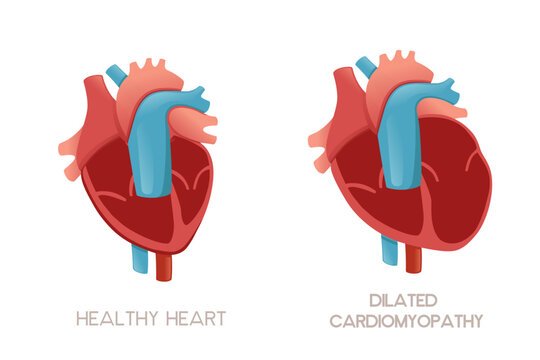
Cardiomyopathy is a group of diseases that affect the heart muscle, leading to changes in its structure and function. In this condition, the heart muscle may become thickened, enlarged, or stiff, which can interfere with the heart’s ability to pump blood effectively throughout the body. Over time, cardiomyopathy can weaken the heart and may lead to heart failure or other serious cardiac complications if not managed appropriately. Early identification and proper medical care play a crucial role in maintaining heart health and preventing disease progression.
Cardiomyopathy can develop due to a variety of factors, and in some cases, the exact cause may not be clearly identified. Common causes include genetic predisposition, where the condition runs in families, as well as long-standing high blood pressure, coronary artery disease, and previous heart attacks. Other contributing factors may include infections that affect the heart muscle, excessive alcohol consumption, certain medications such as chemotherapy drugs, and systemic conditions like diabetes or thyroid disorders. In some individuals, prolonged stress or autoimmune conditions can also contribute to the development of cardiomyopathy.
The symptoms of cardiomyopathy can vary depending on the type and severity of the condition. In the early stages, some individuals may not experience noticeable symptoms. As the condition progresses, patients may develop shortness of breath, especially during physical activity or while lying down, persistent fatigue, swelling in the legs, ankles, or feet, and a sensation of rapid or irregular heartbeats. Chest discomfort, dizziness, and fainting episodes may also occur in more advanced cases. Recognizing these symptoms early is important for timely diagnosis and treatment.
Diagnosing cardiomyopathy involves a comprehensive evaluation that includes a detailed medical history, physical examination, and specialized cardiac investigations. Common diagnostic tests include electrocardiography (ECG) to assess heart rhythm, echocardiography to evaluate the structure and function of the heart, and chest imaging such as X-rays or cardiac MRI for detailed visualization. Blood tests may be conducted to identify underlying causes, and in certain cases, stress tests or cardiac catheterization may be recommended. These evaluations help determine the type and severity of cardiomyopathy and guide appropriate treatment planning.
The treatment of cardiomyopathy focuses on managing symptoms, improving heart function, and preventing complications. Depending on the type and severity, treatment may include medications such as beta-blockers, ACE inhibitors, or diuretics to reduce strain on the heart and control symptoms. Lifestyle modifications, including dietary changes, regular physical activity, and avoiding alcohol or tobacco, play a vital role in overall management. In more advanced cases, medical devices such as pacemakers or implantable cardioverter-defibrillators (ICDs) may be required to regulate heart rhythm. Certain patients may benefit from surgical interventions or advanced therapies, including heart transplantation in severe cases.
Ongoing care is essential for individuals diagnosed with cardiomyopathy. Regular follow-up visits help monitor heart function and assess the effectiveness of treatment. Patients are advised to adhere strictly to prescribed medications and maintain a heart-healthy lifestyle, including a balanced diet low in salt and saturated fats. Monitoring weight, limiting fluid intake when advised, and managing underlying conditions such as hypertension or diabetes are important aspects of long-term care. Emotional well-being and stress management also contribute significantly to overall recovery and quality of life.
If left untreated or poorly managed, cardiomyopathy can lead to several serious complications. These may include heart failure, where the heart is unable to pump blood effectively, life-threatening arrhythmias, and an increased risk of blood clots that can lead to stroke. In certain types of cardiomyopathy, sudden cardiac arrest may occur. Early diagnosis and consistent medical care significantly reduce the risk of these complications and improve long-term outcomes.
It is important to seek medical attention if you experience persistent shortness of breath, unexplained fatigue, swelling in the lower limbs, or irregular heartbeats. Sudden chest pain, fainting, or severe breathing difficulty requires immediate medical care. Individuals with a family history of cardiomyopathy or heart disease should consider regular cardiac screening, even in the absence of symptoms. Early consultation with a cardiologist ensures timely diagnosis, appropriate management, and better protection of heart health.
WhatsApp us