

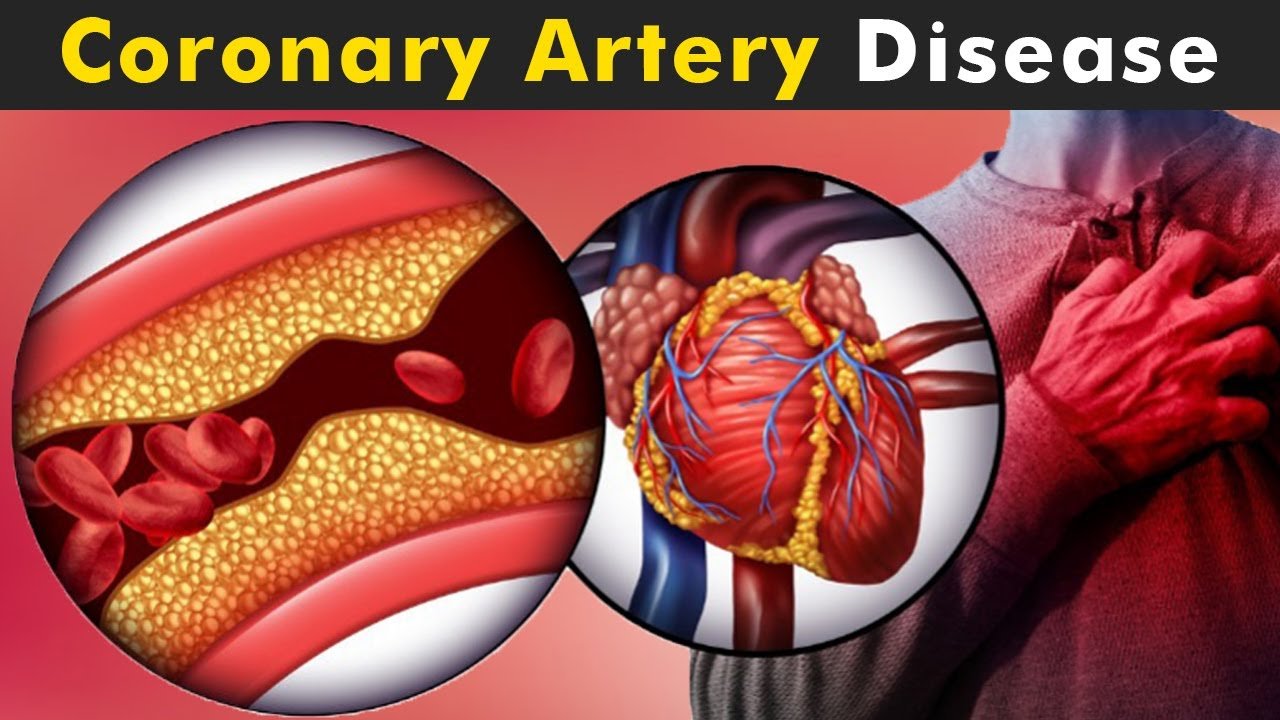
Coronary Artery Disease is one of the most common heart conditions affecting adults worldwide. It occurs when the coronary arteries, which supply oxygen-rich blood to the heart muscle, become narrowed or blocked due to the buildup of fatty deposits called plaques. Over time, this reduced blood flow can weaken the heart and increase the risk of serious events such as angina (chest pain) or heart attack. Coronary artery disease often develops gradually and may remain unnoticed in its early stages, making awareness and timely evaluation essential for maintaining heart health.
The primary cause of coronary artery disease is atherosclerosis, a process in which cholesterol, fats, and other substances accumulate along the inner walls of the arteries. Several factors contribute to this buildup, including high cholesterol levels, high blood pressure, smoking, diabetes, obesity, and a sedentary lifestyle. Genetic predisposition also plays a role, meaning individuals with a family history of heart disease may have a higher risk. Over time, these factors damage the arterial lining, leading to inflammation and progressive narrowing of the vessels.
The symptoms of coronary artery disease can vary depending on the severity of blockage. Many individuals may remain symptom-free in the early stages. As the condition progresses, common symptoms include chest pain or discomfort, often described as pressure, tightness, or heaviness, especially during physical activity or stress. Some patients may experience shortness of breath, fatigue, dizziness, or pain radiating to the arms, neck, jaw, or back. In more advanced cases, a sudden blockage can lead to a heart attack, which presents as severe chest pain, sweating, nausea, and a sense of impending distress.
Diagnosing coronary artery disease involves a combination of clinical evaluation, risk assessment, and advanced diagnostic tests. A cardiologist may begin with a detailed medical history and physical examination, followed by investigations such as electrocardiogram (ECG), echocardiogram, and stress testing to evaluate heart function under exertion. In certain cases, imaging tests like CT coronary angiography or invasive coronary angiography are performed to visualize blockages in the arteries. Blood tests to assess cholesterol levels and other markers also help in determining overall cardiovascular risk.
The treatment of coronary artery disease is tailored to the severity of the condition and the patient’s overall health. In many cases, lifestyle modification forms the foundation of treatment, including adopting a heart-healthy diet, regular exercise, smoking cessation, and weight management. Medications such as antiplatelet agents, statins, beta-blockers, and blood pressure-lowering drugs are commonly prescribed to control symptoms and prevent progression. For patients with significant blockages, interventional procedures like coronary angioplasty with stent placement may be recommended to restore blood flow. In more complex cases, coronary artery bypass grafting (CABG) surgery may be necessary.
After treatment, ongoing care is essential to maintain heart health and prevent recurrence. Patients are advised to strictly follow prescribed medications and attend regular follow-up appointments. Cardiac rehabilitation programs, which include supervised exercise, dietary guidance, and lifestyle counseling, play a crucial role in recovery. Long-term success depends on sustained lifestyle changes, including controlling risk factors such as diabetes, hypertension, and cholesterol levels. Emotional well-being and stress management are also important aspects of post-treatment care.
If left untreated or poorly managed, coronary artery disease can lead to serious complications. These include heart attack, heart failure, arrhythmias (irregular heart rhythms), and sudden cardiac arrest. Progressive narrowing of the arteries can significantly impair heart function, reducing quality of life and increasing mortality risk. Early detection and appropriate management are critical to minimizing these complications and improving long-term outcomes.
It is important to seek medical attention if you experience symptoms such as chest pain, shortness of breath, or unexplained fatigue, especially during physical activity. Immediate medical care is essential if symptoms suggestive of a heart attack occur, including severe chest discomfort, sweating, or pain spreading to the arm or jaw. Individuals with risk factors such as diabetes, high blood pressure, or a family history of heart disease should consider regular cardiac evaluations, even in the absence of symptoms. Early consultation with a cardiologist can help detect the condition at an early stage and prevent serious complications.
WhatsApp us