

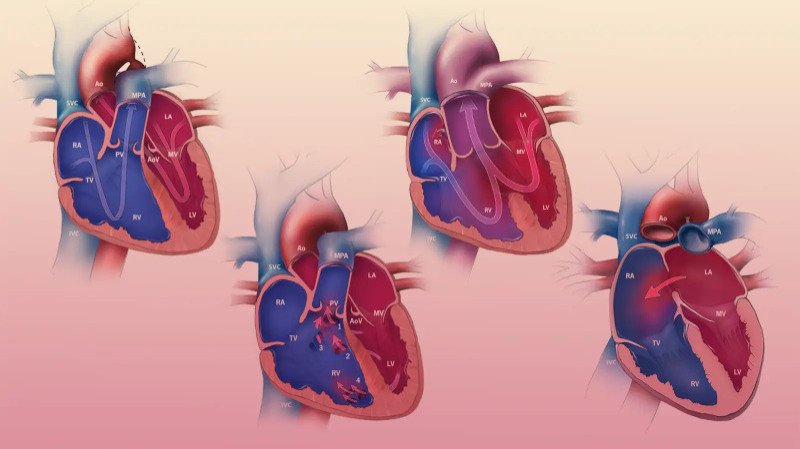
Congenital Heart Disease (CHD) refers to a group of structural abnormalities of the heart that are present at birth. These defects can affect the walls of the heart, the valves, or the blood vessels, altering the normal flow of blood through the heart. The severity of congenital heart disease varies widely, ranging from simple conditions that may not require treatment to complex defects that need lifelong medical care. With advances in cardiology, many individuals with congenital heart disease now lead healthy, productive lives when diagnosed early and managed appropriately.
The exact cause of congenital heart disease is not always clearly understood. In many cases, it is linked to a combination of genetic and environmental factors. Certain genetic conditions or chromosomal abnormalities can increase the risk, while maternal factors such as infections during pregnancy, uncontrolled diabetes, alcohol consumption, or exposure to certain medications may also contribute. Family history of heart defects can play a role, although many children are born with CHD without any known risk factors.
Symptoms of congenital heart disease depend on the type and severity of the defect. In newborns and infants, signs may include rapid breathing, bluish discoloration of the lips or skin (cyanosis), poor feeding, and failure to gain weight. Older children and adults may experience fatigue, shortness of breath during activity, frequent respiratory infections, or heart murmurs detected during routine examinations. In mild cases, symptoms may not be noticeable until later in life.
Congenital heart disease is often detected through a combination of clinical evaluation and diagnostic tests. A detailed physical examination, including listening to heart sounds, can provide initial clues. Imaging studies such as echocardiography are the primary tools for confirming the diagnosis, as they allow visualization of heart structures and blood flow patterns. In some cases, advanced imaging techniques like cardiac MRI or CT scans may be recommended. Prenatal screening through fetal echocardiography can also identify certain heart defects before birth.
Treatment for congenital heart disease is tailored to the specific condition and its severity. Some minor defects may resolve on their own or require only regular monitoring. More significant conditions may need medical management to control symptoms and improve heart function. Interventional procedures such as catheter-based techniques can correct certain defects without open surgery. In more complex cases, surgical repair may be necessary to restore normal blood flow. Advances in pediatric and adult cardiology have significantly improved outcomes, even for complex heart defects.
Long-term follow-up is essential for individuals with congenital heart disease, even after successful treatment. Regular check-ups help monitor heart function and detect any late complications. Patients are often advised on maintaining a heart-healthy lifestyle, including balanced nutrition, appropriate physical activity, and avoidance of risk factors such as smoking. In some cases, medications or additional procedures may be required over time. Ongoing care under a cardiologist ensures optimal quality of life and early intervention if needed.
If left untreated or inadequately managed, congenital heart disease can lead to complications such as heart failure, arrhythmias, pulmonary hypertension, or increased risk of infections like endocarditis. Some individuals may also experience developmental delays or reduced exercise tolerance. Early diagnosis and timely intervention significantly reduce these risks and improve long-term outcomes.
Medical attention should be sought if a child shows signs such as difficulty breathing, bluish skin coloration, poor feeding, or delayed growth. Adults who experience unexplained fatigue, shortness of breath, or irregular heartbeats should also consult a cardiologist. Regular screening is especially important for individuals with a known history of congenital heart disease or a family history of heart defects. Early evaluation and expert care play a crucial role in ensuring the best possible outcomes.
WhatsApp us