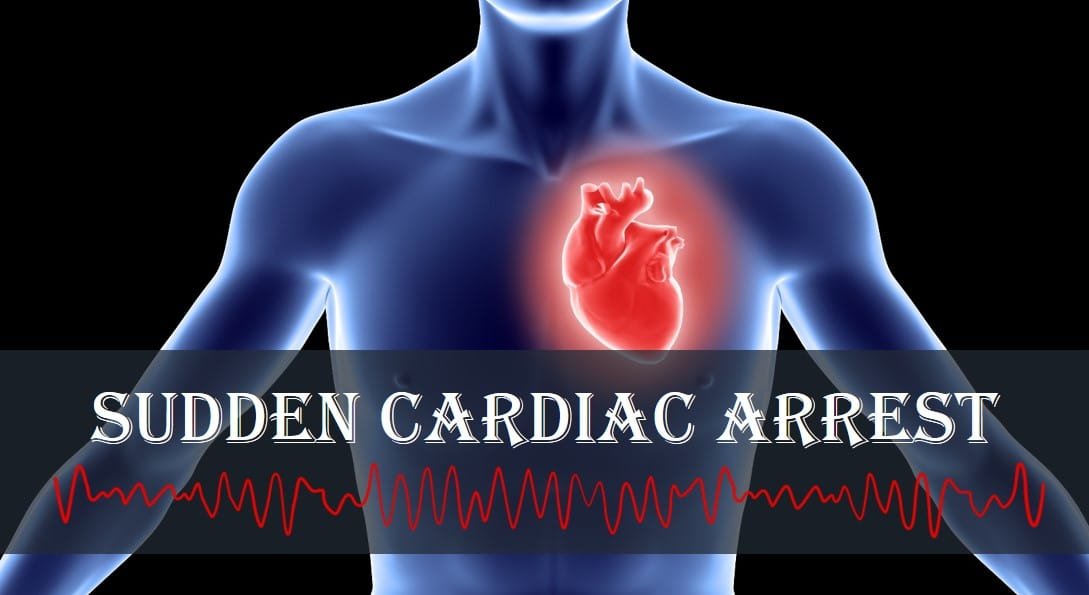
Sudden Cardiac Arrest is a life-threatening medical emergency in which the heart suddenly stops beating effectively, leading to an immediate loss of blood flow to the brain and other vital organs. Unlike a Heart Attack, which is caused by a blockage in blood flow to the heart muscle, sudden cardiac arrest results from an electrical malfunction in the heart. It can occur without warning and requires immediate medical attention, as survival depends on rapid intervention. With timely treatment, including cardiopulmonary resuscitation (CPR) and defibrillation, many lives can be saved.
Sudden cardiac arrest is most commonly caused by abnormal heart rhythms, particularly Ventricular Fibrillation, where the heart quivers instead of pumping blood effectively. Underlying heart conditions such as Coronary Artery Disease, previous heart attacks, heart muscle abnormalities, or congenital heart defects can significantly increase the risk. In some cases, inherited conditions affecting the heart’s electrical system, severe electrolyte imbalances, or drug-related factors may also contribute. Occasionally, sudden cardiac arrest may occur in individuals without known heart disease.
The hallmark of sudden cardiac arrest is a sudden collapse with loss of consciousness. This is often accompanied by the absence of a pulse and normal breathing. In some cases, individuals may experience warning signs such as chest discomfort, shortness of breath, dizziness, palpitations, or fainting shortly before the event. However, many episodes occur without prior symptoms, making awareness and preparedness crucial.
Sudden cardiac arrest is primarily diagnosed in emergency situations based on clinical presentation, including unresponsiveness and absence of pulse. Once the patient is stabilized, further investigations are conducted to identify the underlying cause. These may include electrocardiography (ECG), echocardiography, blood tests, and advanced imaging. In some cases, specialized tests like electrophysiological studies may be recommended to assess the heart’s electrical activity and identify arrhythmia risks.
Immediate treatment is critical and focuses on restoring the heart’s normal rhythm and circulation. Early initiation of CPR helps maintain blood flow to vital organs, while defibrillation using an automated external defibrillator (AED) can correct life-threatening arrhythmias. Advanced medical care may include medications, mechanical ventilation, and intensive monitoring. Long-term treatment depends on the underlying cause and may involve implantation of devices such as an implantable cardioverter-defibrillator (ICD), medications to control heart rhythm, or procedures to improve blood flow in cases of blocked arteries.
Recovery after sudden cardiac arrest requires comprehensive medical follow-up and lifestyle modifications. Patients are closely monitored for recurrence and may require ongoing medications or device-based therapy. Cardiac rehabilitation programs play a vital role in improving physical fitness, emotional well-being, and overall heart health. Adopting a heart-healthy lifestyle, including balanced nutrition, regular exercise, and stress management, is essential for long-term recovery and prevention.
If not treated immediately, sudden cardiac arrest can lead to severe brain damage or death within minutes. Even in survivors, complications such as neurological impairment, memory issues, or reduced heart function may occur. The risk of recurrence is also significant, especially in individuals with underlying heart disease, making continuous medical supervision essential.
Immediate medical attention is critical if someone collapses, becomes unresponsive, or shows no signs of breathing or pulse. Emergency services should be contacted without delay, and CPR should be initiated if trained to do so. Individuals who experience symptoms such as unexplained fainting, persistent chest discomfort, or palpitations should consult a cardiologist promptly. Early evaluation and management can help identify risk factors and prevent life-threatening events like sudden cardiac arrest.
WhatsApp us