
High blood pressure, medically known as hypertension, is a common yet serious cardiovascular condition in which the force of blood against the artery walls remains consistently elevated. Over time, this increased pressure can damage blood vessels and vital organs such as the heart, brain, kidneys, and eyes. Often referred to as a “silent condition,” hypertension may not present noticeable symptoms in its early stages, making regular screening essential. With appropriate diagnosis and management, high blood pressure can be effectively controlled, significantly reducing the risk of long-term complications.
Hypertension can develop due to a combination of genetic, lifestyle, and environmental factors. Primary (essential) hypertension, the most common type, develops gradually over time without a specific identifiable cause. Secondary hypertension, on the other hand, may result from underlying medical conditions such as kidney disease, hormonal disorders, or certain medications. Lifestyle factors play a major role, including excessive salt intake, lack of physical activity, obesity, chronic stress, smoking, and excessive alcohol consumption. Family history and advancing age also contribute to increased risk.
Most individuals with high blood pressure do not experience symptoms, even when readings are dangerously high. In some cases, patients may notice headaches, dizziness, shortness of breath, chest discomfort, or blurred vision. However, these symptoms are not specific and usually appear only when blood pressure has reached a severe or life-threatening level. This is why hypertension is often detected during routine health check-ups rather than through symptom-based evaluation.
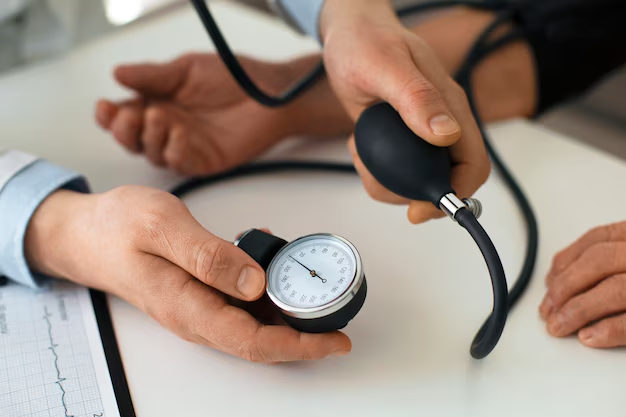
Diagnosis of hypertension is based on consistent blood pressure readings taken using a validated device. A single elevated reading is not sufficient; multiple readings over different visits are usually required to confirm the condition. In some cases, ambulatory blood pressure monitoring or home blood pressure tracking may be recommended to assess fluctuations throughout the day. Additional investigations such as blood tests, urine analysis, electrocardiogram (ECG), or echocardiography may be advised to evaluate organ function and identify any underlying causes or complications.
Management of high blood pressure focuses on both lifestyle modification and, when necessary, medication. Lifestyle changes form the foundation of treatment and include adopting a heart-healthy diet low in salt, maintaining a healthy weight, engaging in regular physical activity, managing stress, and avoiding tobacco and excessive alcohol use. When lifestyle measures alone are insufficient, medications may be prescribed to help control blood pressure effectively. These may include diuretics, ACE inhibitors, calcium channel blockers, or beta-blockers, depending on the patient’s individual health profile. Treatment is always personalized to ensure optimal outcomes.
Long-term management of hypertension requires consistent follow-up and adherence to the prescribed treatment plan. Patients are encouraged to monitor their blood pressure regularly at home and maintain a record for review during consultations. Continuing healthy lifestyle habits is essential even after blood pressure is controlled. Regular medical reviews help assess treatment effectiveness, adjust medications if needed, and monitor for any potential side effects or complications. Patient education and active participation in care play a crucial role in maintaining stable blood pressure levels.
If left untreated or poorly controlled, high blood pressure can lead to serious and potentially life-threatening complications. These include coronary artery disease, heart attack, heart failure, stroke, kidney damage, vision loss, and peripheral artery disease. Chronic hypertension also increases the risk of aneurysms and cognitive decline. Early detection and proper management significantly reduce these risks and improve overall quality of life.
It is advisable to consult a cardiologist for routine blood pressure screening, especially if there is a family history of hypertension or other cardiovascular conditions. Immediate medical attention is necessary if blood pressure readings are consistently high or if symptoms such as severe headache, chest pain, shortness of breath, or sudden vision changes occur. Early consultation ensures timely diagnosis, appropriate treatment, and prevention of complications, helping patients maintain long-term heart health.
WhatsApp us