

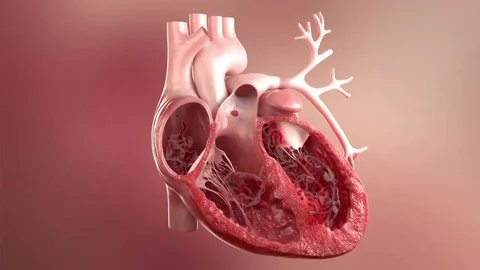
Heart valve disease refers to a group of conditions affecting one or more of the heart’s four valves—the mitral, aortic, tricuspid, and pulmonary valves. These valves regulate blood flow through the heart, ensuring it moves in the correct direction with each heartbeat. When a valve becomes damaged or dysfunctional, it may either not open properly (stenosis) or fail to close completely (regurgitation), leading to disrupted blood flow. Over time, this can strain the heart and reduce its efficiency, potentially leading to serious cardiovascular complications if not managed appropriately.
Valve disease can develop due to a variety of factors. Age-related degeneration is one of the most common causes, where the valves gradually thicken or become stiff over time. Rheumatic fever, often a complication of untreated throat infections, remains a significant cause in many regions. Congenital heart defects, where a person is born with abnormal valve structure, can also lead to early valve problems. Other contributing factors include infections such as endocarditis, high blood pressure, coronary artery disease, and previous heart attacks that affect valve function. Lifestyle factors and chronic medical conditions may further accelerate the progression of valve damage.
In its early stages, valve disease may not present noticeable symptoms. However, as the condition progresses, patients may experience breathlessness, especially during physical activity or while lying down, fatigue, chest discomfort, and palpitations. Swelling in the ankles or feet, dizziness, and fainting episodes can also occur in more advanced cases. Symptoms often develop gradually and may be mistaken for general fatigue or aging, which is why timely evaluation is essential.
Accurate diagnosis begins with a detailed clinical evaluation, including a thorough history and physical examination. A heart murmur detected during auscultation may indicate abnormal valve function. Further assessment typically involves echocardiography, which provides detailed images of the heart valves and their movement. Additional tests such as electrocardiograms, chest X-rays, stress tests, and cardiac MRI or CT scans may be recommended to assess the severity of the condition and its impact on overall heart function. In some cases, cardiac catheterization is performed for a more precise evaluation.
Treatment depends on the type and severity of the valve disease, as well as the patient’s overall health. In mild cases, regular monitoring and medications to manage symptoms and underlying conditions may be sufficient. Medications can help control blood pressure, reduce fluid buildup, and regulate heart rhythm. In more advanced cases, interventional or surgical procedures may be required. These include valve repair, where the existing valve is corrected, or valve replacement using mechanical or biological prosthetic valves. Minimally invasive procedures, such as transcatheter valve interventions, are increasingly being used for suitable patients, offering quicker recovery and reduced procedural risk.
After treatment, ongoing care plays a crucial role in ensuring long-term success. Patients are advised to adhere to prescribed medications, attend regular follow-up appointments, and undergo periodic imaging to monitor valve function. Lifestyle modifications, including a heart-healthy diet, regular physical activity, smoking cessation, and weight management, are essential. For patients with valve replacements, especially mechanical valves, lifelong anticoagulation therapy may be required to prevent blood clots. Close monitoring helps detect any early signs of complications and ensures optimal recovery.
If left untreated, valve disease can lead to serious complications such as heart failure, arrhythmias, stroke, and pulmonary hypertension. Even after treatment, there may be risks associated with surgery or procedures, including infection, bleeding, or prosthetic valve complications. Long-term issues such as valve degeneration or dysfunction may require further intervention. Early diagnosis and appropriate management significantly reduce these risks and improve overall outcomes.
It is important to seek medical attention if you experience persistent breathlessness, unexplained fatigue, chest discomfort, palpitations, or swelling in the legs. Individuals with a history of rheumatic fever, congenital heart disease, or previous heart conditions should undergo regular cardiac evaluations. Early consultation with a cardiologist allows timely diagnosis and intervention, preventing progression and ensuring better heart health outcomes.
WhatsApp us