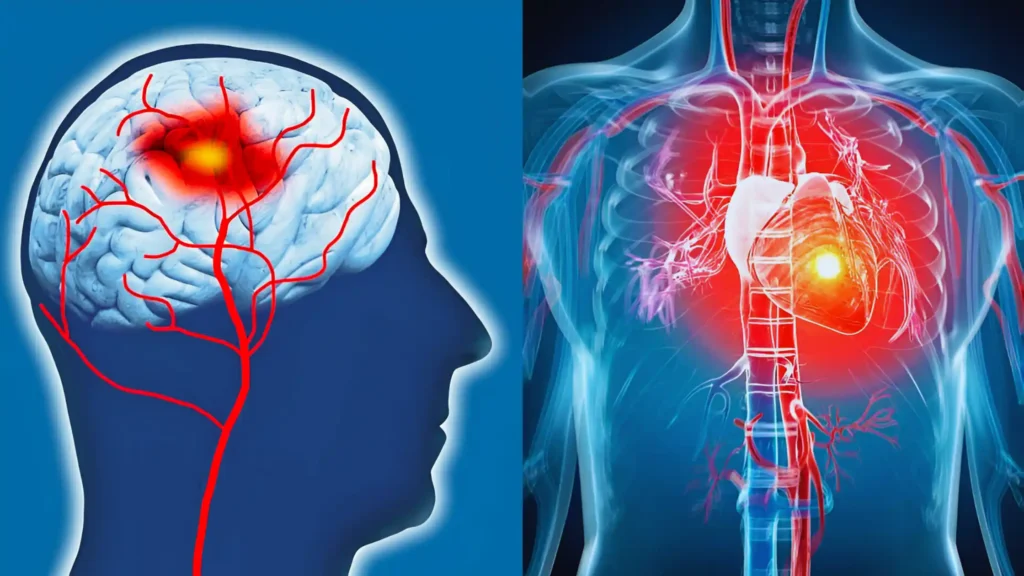
Stroke is a serious medical condition that occurs when the blood supply to the brain is disrupted, leading to damage of brain tissue. One of the most important yet often overlooked contributors to stroke is underlying heart disease. Certain cardiac conditions can increase the likelihood of blood clot formation, which may travel to the brain and block vital blood vessels. Understanding the link between heart disease and stroke is essential for early prevention, timely diagnosis, and effective management. With appropriate care and lifestyle modifications, the risk can be significantly reduced.
Several heart conditions can elevate the risk of stroke. Atrial fibrillation, an irregular heart rhythm, is one of the leading causes, as it can result in the formation of clots within the heart chambers. Coronary artery disease, heart valve disorders, cardiomyopathy, and previous heart attacks can also contribute to impaired blood flow and clot development. Additionally, poorly controlled hypertension, diabetes, and high cholesterol often coexist with heart disease, further increasing stroke risk. In some cases, structural abnormalities in the heart may allow clots to pass directly into the bloodstream and reach the brain.
The symptoms of stroke related to heart disease can appear suddenly and require immediate attention. Patients may experience weakness or numbness on one side of the body, difficulty speaking or understanding speech, sudden vision disturbances, loss of balance, or severe headache without a known cause. In individuals with heart conditions, symptoms such as palpitations, chest discomfort, or shortness of breath may precede or accompany neurological signs. Recognizing these warning signs early is critical, as prompt treatment can prevent long-term complications.
Diagnosis involves a combination of neurological and cardiac evaluation. Brain imaging studies such as CT scans or MRI help confirm the presence and type of stroke. At the same time, cardiac investigations are essential to identify the underlying cause. These may include electrocardiograms to detect rhythm abnormalities, echocardiography to assess heart structure and function, and Holter monitoring for intermittent arrhythmias. Blood tests and vascular imaging may also be performed to evaluate risk factors and identify any blockages in blood vessels.
Treatment focuses on both managing the stroke and addressing the underlying heart condition. In the acute phase, medications may be administered to dissolve or prevent further clot formation. Long-term management often includes anticoagulants or antiplatelet drugs to reduce the risk of recurrence. For patients with atrial fibrillation, rhythm or rate control strategies may be recommended. In some cases, interventional procedures or surgeries, such as valve repair or closure of structural defects, may be necessary. Lifestyle changes, including blood pressure control, cholesterol management, and smoking cessation, play a crucial role in overall treatment.
Recovery after a stroke requires a comprehensive and multidisciplinary approach. Rehabilitation therapies, including physiotherapy, speech therapy, and occupational therapy, help restore function and improve quality of life. Regular follow-up with a cardiologist is essential to monitor heart health and adjust medications as needed. Patients are advised to maintain a heart-healthy lifestyle, follow prescribed treatments diligently, and manage associated conditions such as diabetes and hypertension. Emotional support and counseling may also be beneficial during recovery.
If not properly managed, stroke related to heart disease can lead to significant complications, including permanent neurological deficits, paralysis, speech impairment, and cognitive decline. There is also a risk of recurrent strokes, especially if the underlying cardiac condition remains untreated. In severe cases, stroke can be life-threatening. Additionally, complications such as infections, blood clots in other parts of the body, and reduced mobility may arise during recovery.
Immediate medical attention is crucial if any symptoms of stroke are observed, even if they appear mild or temporary. Individuals with known heart disease should seek regular cardiac evaluation to monitor their condition and prevent complications. Warning signs such as irregular heartbeat, unexplained dizziness, chest discomfort, or sudden weakness should not be ignored. Early consultation with a cardiologist can help identify risks, initiate preventive measures, and significantly reduce the chances of stroke.
This integrated approach to heart health and stroke prevention ensures better outcomes and supports long-term well-being.
WhatsApp us