

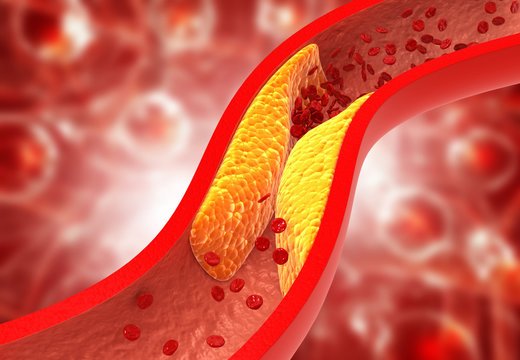
High cholesterol, medically referred to as Hypercholesterolemia, is a common condition in which there is an excess of fats (lipids) in the blood. Cholesterol is essential for building healthy cells, but elevated levels—especially low-density lipoprotein (LDL), often called “bad cholesterol”—can lead to the formation of plaques in the arteries. Over time, this buildup narrows the blood vessels, increasing the risk of serious cardiovascular conditions such as heart attack and stroke. As a leading risk factor for Cardiovascular disease, high cholesterol often progresses silently, making regular monitoring essential for long-term heart health.
High cholesterol can develop due to a combination of lifestyle and genetic factors. Diets rich in saturated fats, trans fats, and processed foods are major contributors. Sedentary lifestyle, obesity, smoking, and excessive alcohol intake further elevate cholesterol levels. In some individuals, genetics play a significant role, a condition known as familial hypercholesterolemia, where the body is unable to effectively remove LDL cholesterol from the blood. Additionally, underlying conditions such as diabetes, hypothyroidism, and certain liver or kidney diseases may also influence cholesterol levels.
One of the most concerning aspects of high cholesterol is that it typically does not present with noticeable symptoms. Most individuals remain unaware of the condition until complications arise. In rare cases, visible signs such as fatty deposits (xanthomas) on the skin or around the eyes may appear, particularly in genetic forms of the condition. However, these are uncommon, and the absence of symptoms should not be mistaken for absence of disease.
High cholesterol is diagnosed through a simple blood test known as a lipid profile. This test measures total cholesterol, LDL cholesterol, high-density lipoprotein (HDL or “good cholesterol”), and triglycerides. Regular screening is recommended, especially for individuals with risk factors such as a family history of heart disease, obesity, or diabetes. Early diagnosis allows timely intervention and significantly reduces the risk of cardiovascular complications.
Management of high cholesterol focuses on a combination of lifestyle modifications and, when necessary, medication. Dietary changes play a central role, with emphasis on reducing saturated fats and incorporating heart-healthy foods such as fruits, vegetables, whole grains, and healthy fats. Regular physical activity helps improve cholesterol levels and overall cardiovascular fitness. In cases where lifestyle changes alone are insufficient, medications such as statins may be prescribed to lower LDL cholesterol and reduce the risk of plaque formation. Treatment plans are personalized based on the patient’s overall health profile and risk factors.
Long-term management of cholesterol requires ongoing commitment to healthy living. Patients are advised to maintain a balanced diet, engage in regular exercise, and adhere to prescribed medications without interruption. Periodic follow-up with lipid profile testing is essential to monitor progress and adjust treatment as needed. Avoiding smoking, managing stress, and maintaining a healthy weight are equally important in sustaining optimal cholesterol levels and preventing recurrence.
If left untreated, high cholesterol can lead to serious complications, primarily due to the narrowing and hardening of arteries, a condition known as atherosclerosis. This can significantly increase the risk of heart attack, stroke, and peripheral artery disease. In advanced stages, reduced blood flow may also affect vital organs, leading to long-term health consequences. Early detection and proper management are key to preventing these potentially life-threatening outcomes.
It is advisable to consult a cardiologist for routine cholesterol screening, especially if you are over the age of 30 or have risk factors such as obesity, diabetes, or a family history of heart disease. Immediate medical attention is necessary if you experience symptoms suggestive of cardiovascular problems, such as chest discomfort, shortness of breath, or unexplained fatigue. Regular check-ups with a specialist like Dr. K. V. Subbarao can help ensure early diagnosis, effective management, and long-term heart health.
WhatsApp us